Why stress happens and how to manage it
Stress is a natural feeling of not being able to cope with specific demands and events. However, stress can become a chronic condition if a person does not take steps to manage it.
These demands can come from work, relationships, financial pressures, and other situations, but anything that poses a real or perceived challenge or threat to a person’s well-being can cause stress.
Stress can be a motivator, and it can even be essential to survival. The body’s fight-or-flight mechanism tells a person when and how to respond to danger. However, when the body becomes triggered too easily, or there are too many stressors at one time, it can undermine a person’s mental and physical health and become harmful.
 Share on PinterestA person with stress may experience increased blood pressure.
Stress is the body’s natural defense against predators and danger. It causes the body to flood with hormones that prepare its systems to evade or confront danger. People commonly refer to this as the fight-or-flight mechanism.
When humans face a challenge or threat, they have a partly physical response. The body activates resources that help people either stay and confront the challenge or get to safety as fast as possible.
The body produces larger quantities of the chemicals cortisol, epinephrine, and norepinephrine. These trigger the following physical reactions:
- increased blood pressure
- heightened muscle preparedness
- sweating
- alertness
These factors all improve a person’s ability to respond to a potentially hazardous or challenging situation. Norepinephrine and epinephrine also cause a faster heart rate.
Environmental factors that trigger this reaction are called stressors. Examples include noises, aggressive behavior, a speeding car, scary moments in movies, or even going out on a first date. Feelings of stress tend to increase in tandem with the number of stressors.
According to the American Psychological Association (APA)’s annual stress survey in 2018, average stress levels in the United States were 4.9 on a scale from 1 to 10. The survey found that the most common stressors were employment and money.
Stress slows down some normal bodily functions, such as those that the digestive and immune systems perform. The body can then concentrate its resources on breathing, blood flow, alertness, and the preparation of the muscles for sudden use.
The body changes in the following ways during a stress reaction:
- blood pressure and pulse rise
- breathing speeds up
- digestive system slows down
- immune activity decreases
- muscles become more tense
- sleepiness decreases due to a heightened state of alertness
How a person reacts to a difficult situation will determine the effects of stress on overall health. Some people can experience several stressors in a row or at once without this leading a severe stress reaction. Others may have a stronger response to a single stressor.
An individual who feels as though they do not have enough resources to cope will probably have a stronger reaction that could trigger health problems. Stressors affect individuals in different ways.
Some experiences that people generally consider to be positive can lead to stress, such as having a baby, going on vacation, moving to a better home, and getting a promotion at work.
The reason for this is that they typically involve a significant change, extra effort, new responsibilities, and a need for adaptation. They also often require a person to take steps into the unknown.
A person may look forward to an increased salary following a promotion, for example, but wonder whether they can handle the extra responsibilities.
A persistently negative response to challenges can have an adverse effect on health and happiness.
For example, a 2018 review of studiesTrusted Source found associations between work-related stress and coronary heart disease. Despite this, the authors could not confirm the exact mechanisms through which stress causes coronary heart disease.
Other literature has shown that people who perceive stress as having a negative effect on their health may be at higher risk for coronary heart disease than those who do not.
However, being more alert to the effects of stress may help a person manage it more effectively and cope better.
ADVERTISEMENT
Explore new calming exercises with Calm
Manage your anxiety with the award-winning Calm app. Try a guided meditation, a sleep story, or stretches designed by experts to help you focus and relax. Start your free trial today.
The National Institute of Mental Health (NIMH)Trusted Source recognize two types of stress: acute and chronic. These require different levels of management.
The NIMH also identify three examples of types of stressor:
- routine stress, such as childcare, homework, or financial responsibilities
- sudden, disruptive changes, such as a family bereavement or finding out about a job loss
- traumatic stress, which can occur due to extreme trauma as a result of a severe accident, an assault, an environmental disaster, or war
Acute stress
This type of stress is short-term and usually the more common form of stress. Acute stress often develops when people consider the pressures of events that have recently occurred or face upcoming challenges in the near future.
For example, a person may feel stressed about a recent argument or an upcoming deadline. However, the stress will reduce or disappear once a person resolves the argument or meets the deadline.
Acute stressors are often new and tend to have a clear and immediate solution. Even with the more difficult challenges that people face, there are possible ways to get out of the situation.
Acute stress does not cause the same amount of damage as long-term, chronic stress. Short-term effects include tension headaches and an upset stomach, as well as a moderate amount of distress.
However, repeated instances of acute stress over an extended period can become chronic and harmful.
Chronic stress
This type of stress develops over a long period and is more harmful.
Ongoing poverty, a dysfunctional family, or an unhappy marriage are examples of situations that can cause chronic stress. It occurs when a person can see no way to avoid their stressors and stops seeking solutions. A traumatic experience early in life may also contribute to chronic stress.
Chronic stress makes it difficult for the body to return to a normal level of stress hormone activity, which can contribute to problems in the following systemsTrusted Source:
- cardiovascular
- respiratory
- sleep
- immune
- reproductive
A constant state of stress can also increase a person’s risk of type 2 diabetes, high blood pressure, and heart disease. Depression, anxiety, and other mental health disorders, such as post-traumatic stress disorder (PTSD), can develop when stress becomes chronic.
Chronic stress can continue unnoticed, as people can become used to feeling agitated and hopeless. It can become part of an individual’s personality, making them constantly prone to the effects of stress regardless of the scenarios that they encounter.
People with chronic stress are at risk of having a final breakdown that can lead to suicide, violent actions, a heart attack, or stroke.
People react differently to stressful situations. What is stressful for one person may not be stressful for another, and almost any event can potentially cause stress. For some people, just thinking about a trigger or several smaller triggers can cause stress.
There is no identifiable reason why one person may feel less stressed than another when facing the same stressor. Mental health conditions, such as depression, or a building sense of frustration, injustice, and anxiety can make some people feel stressed more easily than others.
Previous experiences may affect how a person reacts to stressors.
Common major life events that can trigger stress include:
- job issues or retirement
- lack of time or money
- bereavement
- family problems
- illness
- moving home
- relationships, marriage, and divorce
Other commonly reported causes of stress are:
- abortion or pregnancy loss
- driving in heavy traffic or fear of an accident
- fear of crime or problems with neighbors
- pregnancy and becoming a parent
- excessive noise, overcrowding, and pollution
- uncertainty or waiting for an important outcome
Some people experience ongoing stress after a traumatic event, such as an accident or some kind of abuse. Doctors will diagnose this as PTSD.
Those who work in stressful jobs, such as the military or the emergency services, will have a debriefing session following a major incident, and occupational healthcare services will monitor them for PTSD.
The physical effects of stress can include:
- sweating
- pain in the back or chest
- cramps or muscle spasms
- fainting
- headaches
- nervous twitches
- pins and needles sensations
A 2012 studyTrusted Source found that the stressors that parents experience, such as financial troubles or managing a single-parent household, may also lead to obesity in their children.
Emotional reactions can include:
- anger
- burnout
- concentration issues
- fatigue
- a feeling of insecurity
- forgetfulness
- irritability
- nail biting
- restlessness
- sadness
Stress-associated behaviors include:
- food cravings and eating too much or too little
- sudden angry outbursts
- drug and alcohol misuse
- higher tobacco consumption
- social withdrawal
- frequent crying
- relationship problems
If stress becomes chronic, it can lead to several complications, including
- anxiety
- depression
- heart disease
- high blood pressure
- lower immunity against diseases
- muscular aches
- PTSD
- sleeping difficulties
- stomach upset
- erectile dysfunction (impotence) and loss of libido
A doctor will typically diagnose stress by asking an individual about their symptoms and life events.
Diagnosing stress can be challenging because it depends on many factors. Doctors have used questionnaires, biochemical measures, and physiological techniques to identify stress. However, these may not be objective or effective.
The most direct way to diagnose stress and its effects on a person is through a comprehensive, stress-oriented, face-to-face interview.
MEDICAL NEWS TODAY NEWSLETTER
Knowledge is power. Get our free daily newsletter.
Dig deeper into the health topics you care about most. Subscribe to our facts-first newsletter today.
Enter your email
SIGN UP NOW
Your privacy is important to us
Treatment includes self-help and, when an underlying condition is causing stress, certain medications.
Therapies that may help a person relax include aromatherapy and reflexology.
Some insurance providers cover this type of treatment. However, it is important for people to check coverage with their provider before pursuing this treatment. Knowing the details about a potential treatment can help prevent it from adding to any ongoing stress.
Medicines
Doctors will not usually prescribe medications for coping with stress, unless they are treating an underlying illness, such as depression or an anxiety disorder.
In such cases, they may prescribe an antidepressant. However, there is a risk that the medication will only mask the stress, rather than help the person deal with it. Antidepressants can also have adverse effects, and they may worsen some complications of stress, such as low libidoTrusted Source.
Developing coping strategies before stress becomes chronic or severe can help an individual manage new situations and maintain their physical and mental health.
People who are already experiencing overwhelming stress should seek medical assistance.
 Share on PinterestRegular exercise may help to manage stress.
People may find that the following lifestyle measures can help them manage or prevent stress-induced feelings of being overwhelmed.
- Exercise: A 2018 systematic reviewTrusted Source of animal studies found that exercise can reduce memory impairment in subjects with stress, although studies on humans are necessary to confirm this.
- Reducing the intake of alcohol, drugs, and caffeine: These substances will not help prevent stress, and they can make it worse.
- Nutrition: A healthful, balanced diet containing plenty of fruit and vegetables can help maintain the immune system at times of stress. A poor diet can lead to ill health and additional stress.
- Priority management: It may help to spend a little time organizing a daily to-do list and focusing on urgent or time sensitive tasks. People can then focus on what they have completed or accomplished for the day, rather than on the tasks they have yet to complete.
- Time: People should set aside some time to organize their schedules, relax, and pursue their own interests.
- Breathing and relaxation: Meditation, massage, and yoga can help. Breathing and relaxation techniques can slow down the heart rate and promote relaxation. Deep breathing is also a central part of mindfulness meditation.
- Talking: Sharing feelings and concerns with family, friends, and work colleagues may help a person “let off steam” and reduce feelings of isolation. Other people may be able to suggest unexpected, workable solutions to the stressor.
- Acknowledging the signs: A person can be so anxious about the problem causing the stress that they do not notice the effects on their body. It is important to be mindful of any changes.
Noticing signs and symptoms is the first step to taking action. People who experience work stress due to long hours may need to “take a step back.” It may be time for them to review their working practices or talk to a supervisor about finding ways to reduce the load.
Most people have an activity that helps them relax, such as reading a book, going for a walk, listening to music, or spending time with a friend, loved one, or pet. Joining a choir or a gym also helps some people relax.
The APA encourage people to develop networks of social support, for example, by talking to neighbors and others in the local community or joining a club, charity, or religious organization.
Those who often feel as though they do not have the time or energy for hobbies should try some enjoyable new activities that make them feel good. People can turn to their support network if they need ideas.
Being part of a group can reduce the risk of stress developing and provide support and practical help when challenging circumstances develop.
People who find that stress is affecting their daily life should seek professional help. A doctor or psychiatric specialist can often help, for example, through stress management training.
Stress management techniques
Stress management can help by:
- removing or changing the source of stress
- altering how a person views a stressful event
- lowering the effects that stress might have on the body
- learning alternative ways of coping
Stress management therapy pursues one or more of these approaches.
People can develop their stress management techniques by using self-help books or online resources. Alternatively, they can attend a stress management course.
A counselor or psychotherapist can connect an individual who has stress with personal development courses or individual and group therapy sessions.
Last medically reviewed on March 12, 2020
11 sourcesexpanded
Medical News Today has strict sourcing guidelines and draws only from peer-reviewed studies, academic research institutions, and medical journals and associations. We avoid using tertiary references. We link primary sources — including studies, scientific references, and statistics — within each article and also list them in the resources section at the bottom of our articles. You can learn more about how we ensure our content is accurate and current by reading our editorial policy.
- 5 things you should know about stress. (n.d.).
https://www.nimh.nih.gov/health/publications/stress/index.shtml - American Psychological Association. (2018). APA Stress in America™ survey: Generation Z stressed about issues in the news but least likely to vote [Press release].
https://www.apa.org/news/press/releases/2018/10/generation-z-stressed - Cartwright, C., et al. (2016). Long-term antidepressant use: Patient perspectives of benefits and adverse effects.
https://www.ncbi.nlm.nih.gov/pmc/articles/PMC4970636/ - Loprinzi, P. D., & Frith, E. (2019). Protective and therapeutic effects of exercise on stress-induced memory impairment [Abstract].
https://www.ncbi.nlm.nih.gov/pubmed/30203315 - Manage stress: Strengthen your support network. (n.d.).
http://www.apa.org/helpcenter/emotional-support.aspx - Nabi, H., et al. (2013). Increased risk of coronary heart disease among individuals reporting adverse impact of stress on their health: the Whitehall II prospective cohort study.
https://academic.oup.com/eurheartj/article/34/34/2697/617400 - Parks, E. P., et al. (2012). Influence of stress in parents on child obesity and related behaviors.
https://www.ncbi.nlm.nih.gov/pmc/articles/PMC3483892/ - Robinson, L., et al. (2019). Relaxation techniques for stress relief.
https://www.helpguide.org/articles/stress/relaxation-techniques-for-stress-relief.htm - Sara, J. D., et al. (2018). Association between work‐related stress and coronary heart disease: A review of prospective studies through the job strain, effort‐reward balance, and organizational justice models.
https://www.ncbi.nlm.nih.gov/pmc/articles/PMC6015274/ - Stress effects on the body. (n.d.).
http://www.apa.org/helpcenter/stress.aspx - Student guide to surviving stress and anxiety in college & beyond.
https://www.learnpsychology.org/student-stress-anxiety-guide/

Medically reviewed by Stacy Sampson, D.O. — Written by Adam Felman — Updated on March 12, 2020
Latest news

Less than half of transgender people feel supported by family doctor

COPD in numbers: How many people have it, who's more at risk?


How do Omicron-targeted vaccines compare to the original ones?

COVID-19: Brain areas linked to smell may shrink after infection in some
Was this article helpful?
What is chronic stress and what are its common health impacts?
- Chronic stress
- Signs and symptoms
- Examples
- Treatment
- Health effects
- Chronic vs. acute
- Managing it
- When to see a doctor
- Recovery
- Takeaway
Short-lived feelings of stress are a regular part of daily life. When these feelings become chronic, or long-lasting, they can severely impact a person’s health.
In this article, we look at what chronic stress is, how to identify it, and the medical consequences it can have. We also describe ways to manage stress, including medical treatments and when to see a doctor.
Stress is a biological response to demanding situations. It causesTrusted Source the body to release hormones, such as cortisol and adrenaline.
These hormones help prepare the body to take action, for example, by increasing the heart and breath rates. When this occurs, a doctor might describe a person as being in a state of heightened alertness or arousal.
Many factors can trigger a stress response, including dangerous situations and psychological pressures, such as work deadlines, exams, and sporting events.
The physical effects of stress usually do not last long. However, some people find themselves in a nearly constant state of heightened alertness. This is chronic stress.
Some potential causes of chronic stress include:
- high-pressure jobs
- financial difficulties
- challenging relationships
Chronic stress puts pressure on the body for an extended period. This can cause a range of symptoms and increase the risk of developing certain illnesses.
Chronic stress affects the whole body. It can have several physical or psychological symptoms, which can make functioning on a daily basis more challenging.
The type and severity of symptoms vary considerably from person to person.
Signs and symptoms of chronic stress can include:
- irritability, which can be extreme
- fatigue
- headaches
- difficulty concentrating, or an inability to do so
- rapid, disorganized thoughts
- difficulty sleeping
- digestive problems
- changes in appetite
- feeling helpless
- a perceived loss of control
- low self-esteem
- loss of sexual desire
- nervousness
- frequent infections or illnesses
ADVERTISEMENT
Explore new calming exercises with Calm
Manage your anxiety with the award-winning Calm app. Try a guided meditation, a sleep story, or stretches designed by experts to help you focus and relax. Start your free trial today.
A variety of life experiences can cause stress, and these may begin in childhood. When children experience traumatic events, it can lead to the development of chronic stress that may last into adulthood.
These types of events are known as adverse childhood experiences (ACEs). In research by the Centers for Disease Control and Prevention (CDC), 61%Trusted Source of adults surveyed across 25 states said they had experienced at least one type of ACE, and nearly 1 in 6 had experienced four or more types.
Examples of ACEs include:
- mental illness in one or more parents
- emotional, physical, or sexual abuse
- substance misuse in the family
- parental divorce
- homelessness
- incarceration of a parent or close family member
In adulthood, chronic stress can happen as a result of very similar causes, as well as:
- problems in the workplace
- unemployment or financial problems
- injury that impacts a person’s daily life
- concern about problems in the country or the world
According to the Stress in America 2020 survey by the American Psychological Association (APA), 65% of people surveyed said the current uncertainty in the nation is stressful, and 60% are overwhelmed by the issues the country is facing.
In addition, 70% of parents reported family responsibilities as a source of stress, and 63% are stressed by the impact of COVID-19 on the 2019-20 school year.
Chronic stress can also affect historically marginalized groups differently than others. In 2019, surveys showed that Black and Hispanic people are three timesTrusted Source more likely to be stressed by lack of food and safe housing, discrimination, and health inequities.
More recently, the APA also reported that nearly three-quarters of Black adults (74%), 60% of Hispanic adults, and 65% of white adults said the Capitol breach in 2020 caused them a lot of stress.
If strategies such as those listed above are not helping, it is important to see a healthcare professional for advice and support. A doctor may recommend psychological therapy, such as cognitive behavioral therapy (CBT).
One established aim of CBT is to help people deal with chronic stress. In structured sessions, a therapist works to enable a person to modify their behaviors, thoughts, and feelings concerning stressors.
CBT can also help a person develop tools and coping mechanisms to manage stress responses.
Sometimes, a doctor recommends medications to help treat some symptoms of chronic stress. For example, they may prescribe antidepressants to treat anxiety or depression. For people with trouble sleeping, doctors may prescribe sedatives.
Research has shownTrusted Source that chronic stress can impact the brain and the immune system. The brain’s neural networks, especially in the prefrontal cortex (PFC), can actually reduce in size. Doctors have seen this in imaging of people’s brains. When this happens, it may lead to cognitive, emotional, and behavioral dysfunctions.
When a person experiences stress, this stimulates their immune system to react. Over time, when stress is chronic, the immune system can become overstimulated. This may lead to the development of diseases and health problems.
Over long periods, chronic stress can contribute to the development of a range of physical and mental disorders, including:
- heart disease
- high blood pressure
- diabetes
- obesity
- a weakened immune system
- sexual dysfunction
- gastrointestinal disorders
- skin irritation
- respiratory infections
- autoimmune diseases
- insomnia
- burnout
- depression
- anxiety disorders
- post-traumatic stress disorder (PTSD)
- schizophrenia
Chronic stress vs. acute stress
Generally, acute stress is stress that a person experiences short-term. Acute stress typically manifests immediately after a person experiences a stressor as a fight-or-flight reaction.
An acute stress disorder is more serious and typically occurs in the first month after a person experiences trauma. This is similar to post-traumatic stress disorder (PTSD), but a person cannot have a diagnosis of PTSD until they have experienced symptoms for longer than a month.
Stress can also be episodic, which means a person experiences it over a long time but inconsistently. They experience stressful periods and periods with less or no stress. In comparison, chronic stress is stress that a person experiences continuously throughout their life to the point where feeling stressed becomes a normal state of being.
MEDICAL NEWS TODAY NEWSLETTER
Knowledge is power. Get our free daily newsletter.
Dig deeper into the health topics you care about most. Subscribe to our facts-first newsletter today.
Enter your email
SIGN UP NOW
Your privacy is important to us
Chronic stress can seem overwhelming, and a person may feel unable to regain control over their life.
However, a number of strategies can help to reduce stress levels and improve well-being.
Some methods for managing stress includeTrusted Source:
- Understanding the signs and symptoms. These indications vary, but if a person can recognize their own signals of stress, they will be better able to manage them.
- Speaking to friends and family. They can provide emotional support and the motivation to take action.
- Identifying triggers. It is not always possible to avoid triggers of stress. However, taking note of specific triggers can help a person to develop coping and management strategies, which may involve reducing exposure.
- Exercising regularly. Physical activity increases the body’s production of endorphins, which are chemicals that boost the mood and reduce stress. Exercise can involve walking, cycling, running, working out, or playing sports.
- Trying mindfulness. People who practice this form of meditation use breathing and thought techniques to create an awareness of their body and surroundings. ResearchTrusted Source suggests that mindfulness can have a positive impact on stress, anxiety, and depression.
- Improving sleep quality. Getting too little sleep or sleep of poor quality can contribute to stress. Try to get at least 7 hoursTrusted Source every night, and set regular times for going to sleep and waking up. Avoid caffeine, eating, and intense physical activity in the hours before bed.
It can also help to unwind before sleeping by listening to music, reading a book, taking a warm bath, or meditating, for example.
Do not try to deal with chronic stress alone. If self-help strategies are not working, a doctor can provide support and advice about treatment options. They can also refer a person to a more specialized healthcare provider, such as a psychologist or psychiatrist.
Anyone feeling overwhelmedTrusted Source by stress should see a doctor as soon as possible, especially if they are having suicidal thoughts or using drugs or alcohol to cope.
Strategies to recover from chronic stress can include practicing mindfulness activities such as meditation and breathing exercises. People can also have a support system composed of family and friends, as well as a counselor or a psychiatrist if needed.
A psychiatrist can prescribe medication to reduce stress. A counselor can help a person explore the causes of their stress in order to recognize them and find a healthy coping mechanism. The earlier a person seeks help or treatment, the quicker their recovery may be.
Stress is a regular part of daily life. Short-lived stress is generally harmless, but when it lasts and becomes chronic, it can cause a range of symptoms. It can also contribute to the development of physical and mental disorders.
Self-help techniques include identifying triggers, developing coping and avoidance strategies, reaching out to friends and family, and practicing mindfulness.
If these techniques are not working, or if stress is becoming overwhelming, a person should speak to a healthcare professional.
Last medically reviewed on January 2, 2022
14 sourcesexpanded
Medical News Today has strict sourcing guidelines and draws only from peer-reviewed studies, academic research institutions, and medical journals and associations. We avoid using tertiary references. We link primary sources — including studies, scientific references, and statistics — within each article and also list them in the resources section at the bottom of our articles. You can learn more about how we ensure our content is accurate and current by reading our editorial policy.
- Acute stress vs episodic acute stress vs chronic stress. (n.d.).
https://sakuracounseling.org/services/acute-stress-vs-episodic-acute-stress-vs-chronic-stress/ - Adverse childhood experiences. (n.d.).
https://www.ncsl.org/research/health/adverse-childhood-experiences-aces.aspx - APA: U.S. adults report highest stress level since early days of the covid-19 pandemic [press release]. (2020).
https://www.apa.org/news/press/releases/2021/02/adults-stress-pandemic - Goyal, M., et al. (2014). Meditation programs for psychological stress and well-being: A systematic review and meta-analysis.
https://jamanetwork.com/journals/jamainternalmedicine/fullarticle/1809754 - How does sleep affect your heart health? (2021).
https://www.cdc.gov/bloodpressure/sleep.htm - I’m so stressed out! Fact sheet. (n.d.).
https://www.nimh.nih.gov/health/publications/stress/index.shtml - Mariotti, A. (2015). The effects of chronic stress on health: New insights into the molecular mechanisms of brain–body communication.
https://www.ncbi.nlm.nih.gov/pmc/articles/PMC5137920/ - McKnight-Eily, L. R., et al. (2021). Racial and ethnic disparities in the prevalence of stress and worry, mental health conditions, and increased substance use among adults during the covid-19 pandemic — United States, April and May 2020.
https://www.cdc.gov/mmwr/volumes/70/wr/mm7005a3.htm - Preventing adverse childhood experiences. (2021).
https://www.cdc.gov/violenceprevention/aces/fastfact.html?CDC_AA_refVal=https%3A%2F%2Fwww.cdc.gov%2Fviolenceprevention%2Facestudy%2Ffastfact.html - PTSD: National Center for PTSD. (n.d.).
https://www.ptsd.va.gov/understand/related/acute_stress.asp - Stress effects on the body. (n.d.).
https://www.apa.org/helpcenter/stress-body.aspx - Stress fact sheets. (n.d.).
http://www.abct.org/Information/?m=mInformation&fa=fs_STRESS - Stress in America 2020. A national mental health crisis. (2020).
https://www.apa.org/news/press/releases/stress/2020/report-october - What is stress? (n.d.).
https://www.stress.org/daily-life

Medically reviewed by Avi Varma, MD, MPH, AAHIVS, FAAFP — Written by Aaron Kandola and Alina Sharon — Updated on January 2, 2022
Latest news
-
Less than half of transgender people feel supported by family doctor
-
COPD in numbers: How many people have it, who's more at risk?
-
-
How do Omicron-targeted vaccines compare to the original ones?
-
COVID-19: Brain areas linked to smell may shrink after infection in some
Was this article helpful?
More evidence that stress accelerates biological aging
 Share on PinterestNew evidence suggests stress accelerates aging. Dimitur Ilkov/EyeEm/Getty Images
- Epigenetic clocks, which “judge” the biological age of an organism based on the methylation of its DNA, have been developed over the past decade.
- Multiple studies show that stress accelerates biological aging and can influence metabolism.
- Now, researchers demonstrate that while stress does accelerate biological aging, it is possible to moderate this with emotional regulation and self-control.
It is a common belief that stress can prematurely age us, but this had not been quantifiable until relatively recently.
For a long time, the medical community understood that nuclear DNA “ages” with each cell division and various genetic markers could be used to determine the age of an organism. These include the length of the telomeres and the amount of methylation of DNA at specific points.
Methylation occurs when a methyl group is added to the DNA, often during DNA repair. Over the past couple of years, scientists have developed models called epigenetic clocks to see if they can measure biological aging by examining the amount of methylation at certain sites on the DNA.
GrimAge is one of the most successful epigenetic clocks, first detailed in 2019. It can accurately predict biological decline, for example, if an individual has specific age-related conditions.
While some studies indicate the GrimAge model can predict the impact of stress in people with mental health conditions, none had looked at whether it could predict the impact of stress on the general population.
Now a group of researchers at Yale School of Medicine, New Haven, C.T. has published details of a trial in the journal Translational PsychiatryTrusted Source looking at whether GrimAge could be used to measure the impact of stress on accelerated biological aging in healthy 18–50 year olds.
Lead author Dr. Zachary Harvanek, psychiatry resident at Yale Department of Psychiatry, explained their reasoning in an interview with Medical News Today:
“Epigenetic aging is one of the best markers we have for aging in relatively young, relatively healthy, people.”
“We don’t have great ways to tell biological age from chronological age in your average 30 to 40 year old. When people get older, we can see their health start to decline, and they start to have changes in terms of their mobility and ultimately, some people die earlier than others.”
Measuring impact of stress in healthy populations
Between 2008–2012, 444 individuals aged 18–50 were recruited to the study from New Haven, C.T. Participants were excluded if they had a previous history of substance abuse, head injury, or chronic medical condition. Pregnant people were excluded, and breathalyzer urine tests were taken from all participants at each appointment to check for drug taking.
Participants underwent a physical health review and a separate morning biochemical evaluation after fasting overnight. Data were collected on the individuals’ overall health, fasting glucose, insulin, and cortisol levels. Background information was also recorded on participants’ drinking and smoking habits, racial identity, relationship status, income, and education level.
A clinical interview for diagnosis of psychiatric illness as well as a cumulative stress interview and self-reported assessments were also carried out. These collected data on cumulative stress, psychological resilience, self-control, and emotional regulation.
Participants also provided a blood sample for the researchers to collect epigenetic data.
Cumulative stress accelerates aging, but resilience slows it down
Among the findings, researchers determined that increased cumulative stress was associated with accelerated aging compared to chronological aging using GrimAge, and increased biological markers such as insulin resistance.
They also found, however, that emotional regulation reduced the effect of stress on accelerated aging, and self-control was also found to moderate the relationship between stress and insulin resistance.
Certain characteristics were also found to cause greater accelerated aging. For example, identifying as Black resulted in one additional year of aging for this cohort, and being of male sex added 1.2 years.
“We think it would be good to do more of a subgroup analysis based on sex or based on race, to see whether the same findings about emotion regulation and self-control hold true in those groups as well,” Dr. Harvanek told Medical News Today.
While this paper does not indicate how to prevent the impact of stress on accelerating aging, it could point to potential targets for behavioral interventions, the authors say.
Professor Derek Griffith, professor of health systems administration and oncology at Georgetown, Washington D.C. and founder and co-director of the Racial Justice Institute, told Medical News Today these results supported previous research into the issue. He said:
“In general, the idea that self-identifying as Black or male sex is related to accelerated aging is consistent with other literature. Self-identifying as Black is a useful proxy for who is likely to experience racism or greater obstacles to health and well-being over the life course. New Haven is known to have a high rate of race-based residential segregation, which suggests that the resources around where people live that are associated with being healthy and well are likely to vary by race.”
“The ‘proof of principle’ that this article represents indeed suggests that more research is needed to better understand epigenetic aging.”
While it would be important to investigate different age groups over longer periods, Prof. Griffith also noted, “It will be important for future work to consider the built and social environmental resources and stressors that also affect emotional regulation, cumulative stress, and epigenetic aging because these factors also vary by race, sex, and gender.”
Looking for a list of the most popular websites in the US (and Worldwide) in 2021?
We pulled the top 100 most visited sites by organic traffic in the US and Worldwide.
We then used Site Explorer and Keywords Explorer—our competitive analysis and keyword research tools—to delve deeper into why some of those websites are popular and where their traffic comes from.
Let’s kick things off with our US data.
Top 100 most visited websites in the US
Unsurprisingly, this list is dominated by big websites that many of us know and love.
Wikipedia is the most visited website on our list, with more than 1.1 billion estimated monthly visits from organic search. Considering that the US population is ~330 million, this means that each person in the US clicks on a Wikipedia result 3.44 times per month, on average.
It’s a similar story for YouTube. On average, every person in the US clicks a YouTube result 2.83 times per month.
SIDENOTE.
Just to be clear, those numbers are averages. We’re not saying that every person in the US clicks on the same number of YouTube and Wikipedia search results every month. Some people click on many search results, whereas others will click on few or none.
Amazon is next on the list, with over 585.5 million estimated organic monthly visits.
Interestingly, roughly 14% of those visits come from a single search query, “Amazon,” for which there are 79.5 million monthly searches in the US.
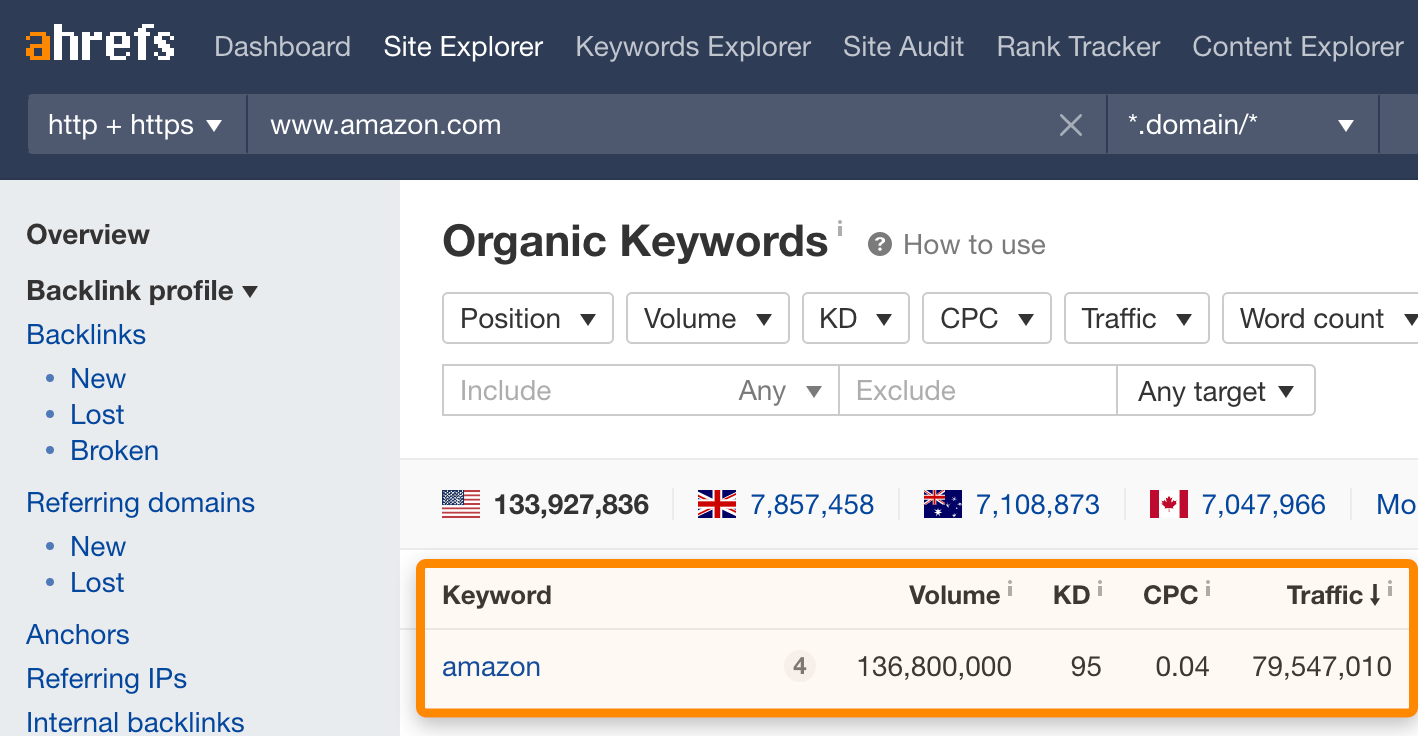
The keyword “Amazon” also has a high Return Rate (RR), meaning that most who perform this search tend to do so multiple times per month.
Why does this happen? Most likely because searching for “Amazon” and clicking on the first result is easier and quicker than typing the entire URL (www.amazon.com) into the address bar. Also, you only have to type “a” into Google for it to suggest “Amazon” as a search term…

… which makes navigation via Google even quicker.
Next up, we have facebook.com and twitter.com with ~467.3 million and 285.5 million monthly organic visits respectively.
Hardly surprising; I think pretty much anyone could have guessed that Wikipedia, YouTube, Amazon, Facebook, and Twitter would be the most visited sites in the US.
So here are a couple of interesting observations from the rest of the top 100:
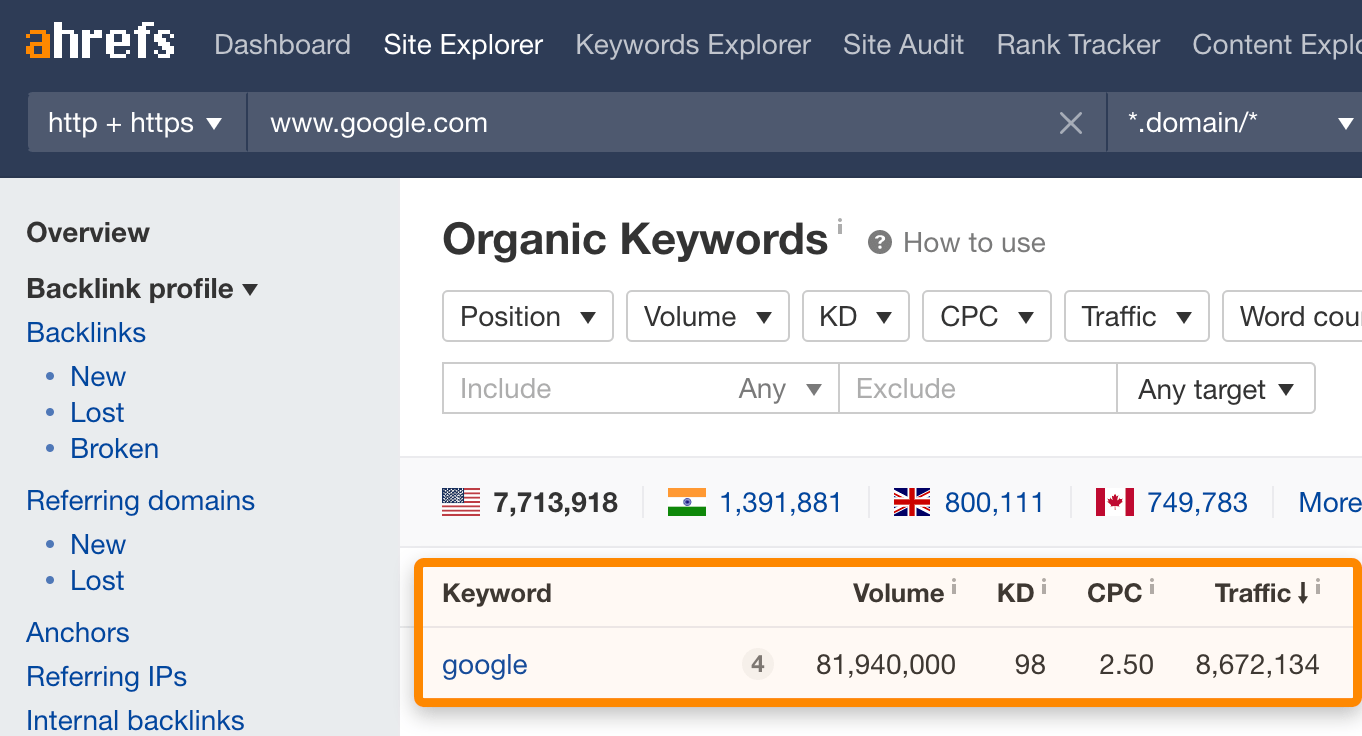
Google.com is in 25th place with 53.3 million monthly organic visits from the US. Believe it or not, 16.3% of this traffic comes from people Googling “Google.”
But perhaps more interestingly, 5% of Google’s organic traffic goes to the ‘Finance” subfolder.
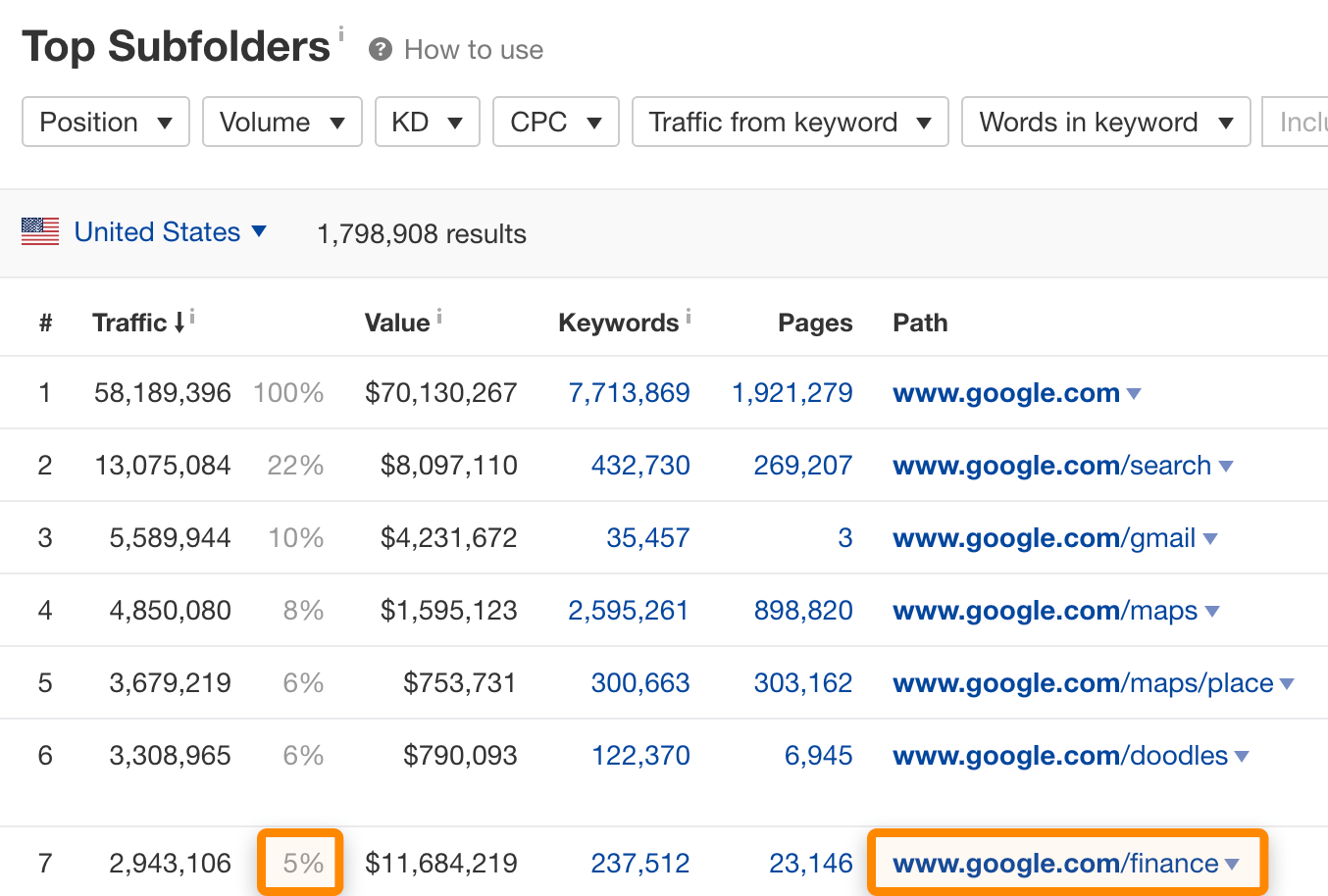
This is no doubt thanks to the financeSERP feature that appears at the top of the results for hundreds of thousands of stock-related searches like “tesla stock” and “apple nasdaq.”
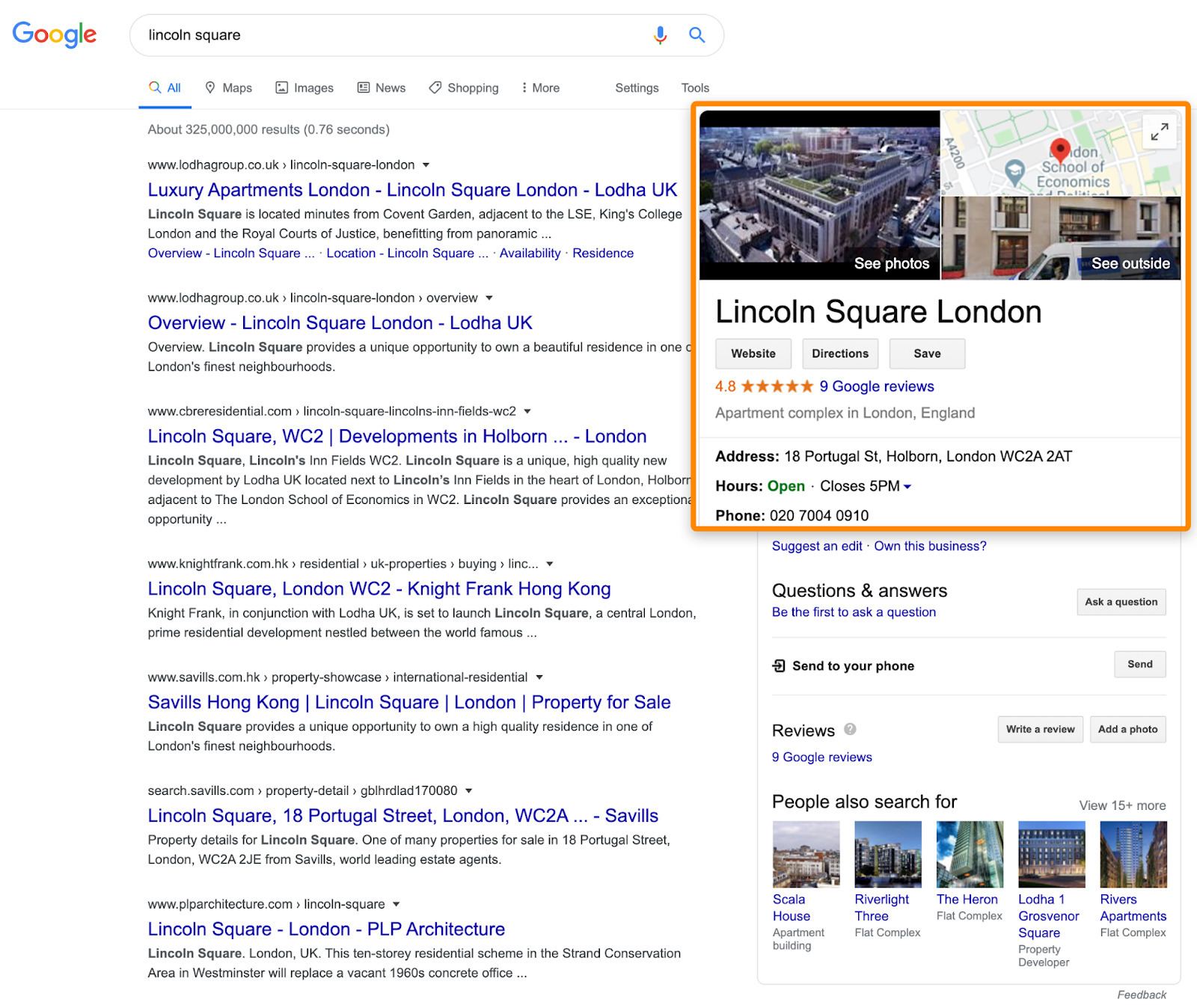
It’s a similar story for Google Maps, which receives an estimated 8% of all the site’s organic traffic.
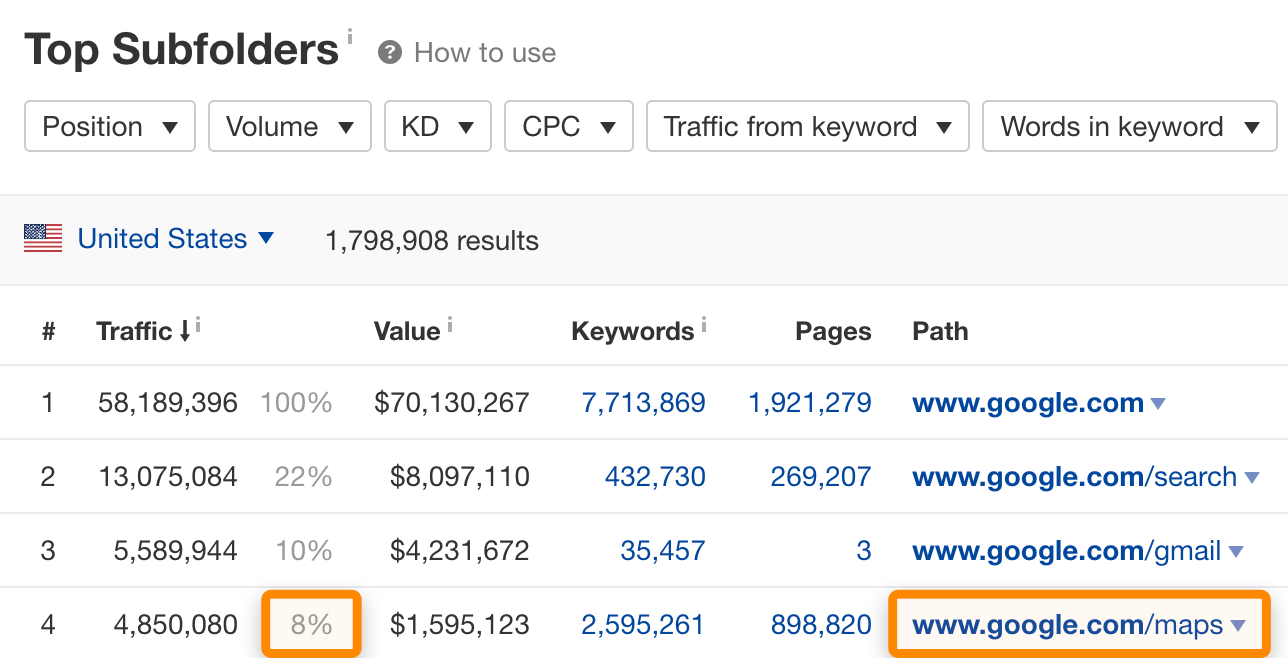
This is because Google shows links to Maps whenever you search for a well-known location.
Craigslist
Craigslist is one of the ugliest sites on the internet—I don’t think anyone would disagree.
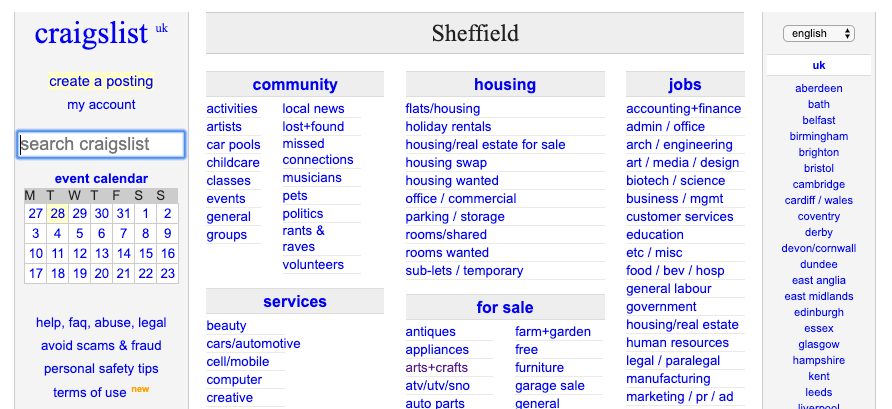
Yet it still gets more organic traffic than Home Depot, Apple, Netflix, and many other big names.
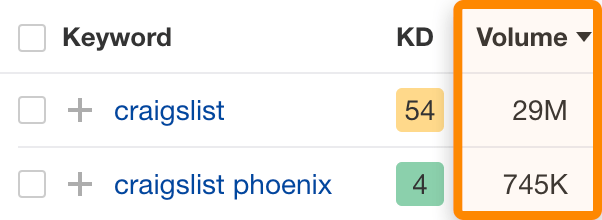
How? Almost all of its traffic comes from branded searches. In other words, millions of people are searching for things like “Craigslist” and “Craigslist Phoenix” every month.
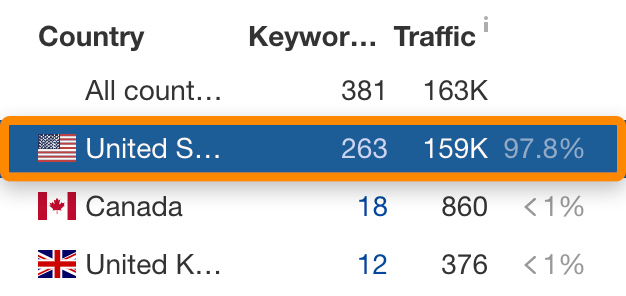
Interestingly, Craigslist’s popularity is pretty much confined to the US, where it gets 97.8% of its traffic.
Which got me wondering: how many of the top 100 websites in the US are only popular in the US?
So, here are all the sites from the top 100 that get 90%+ of their search traffic from the US and, therefore, aren’t so popular in the rest of the world:
- yelp.com
- walmart.com
- craigslist.org
- homedepot.com
Top 100 most visited websites globally
The first thing we notice about the Worldwide data is that four of the top five most popular sites are the same as in the US: YouTube, Facebook, Wikipedia, and Twitter.
YouTube is the most visited website by far, with 5.5 billion search visits per month.
Most of the other sites on the list are recognizable brands to those of us English speakers, but a few aren’t.
For example, the 24th most visited website in the world—by organic traffic, at least—is vk.com. It looks like this is a popular Russian social network popular amongst Russians, Ukrainians, Kazhaks, Belarusians, and Turks.
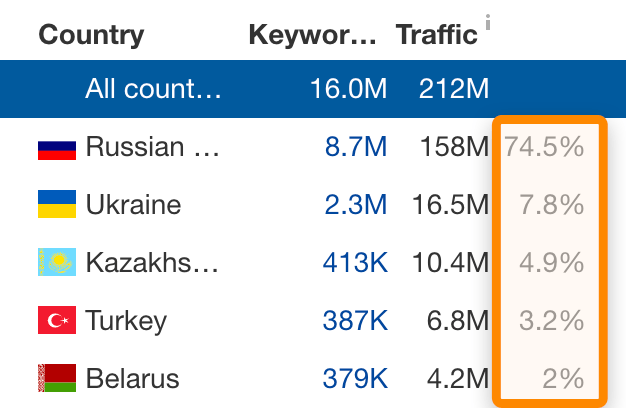
I signed up to see which it was like, and it looked uncannily similar to Facebook at first glance.

Another example is the 28th most visited website in the world: uol.com.br. According to Wikipedia, “UOL is the world’s largest Portuguese speaking portal, which is organized in 42 thematic stations with more than 1,000 news sources and 7 million pages.”
That probably explains why almost all (98.2%) of its organic traffic comes from Brazil.
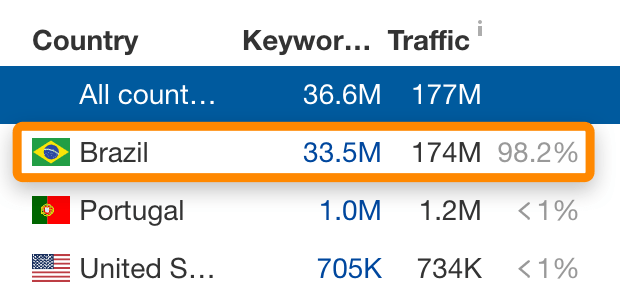
This site is actually more popular in Brazil than Craigslist is in the US!
Speaking of Craigslist, this site also makes the top 100 Worldwide websites, despite almost none of its traffic coming from outside the US. This just goes to show how popular Craigslist is in the US—it gets more organic search traffic from one country than most websites do from all other countries combined.
See how many organic visits any website gets
Are you curious as to how much organic traffic a particular site receives each month?
Head over to Ahrefs’ Site Explorer and paste in the domain. You’ll see the estimated monthly organic traffic to that website, the number of keywords it ranks for in organic search, and some other key SEO metrics.
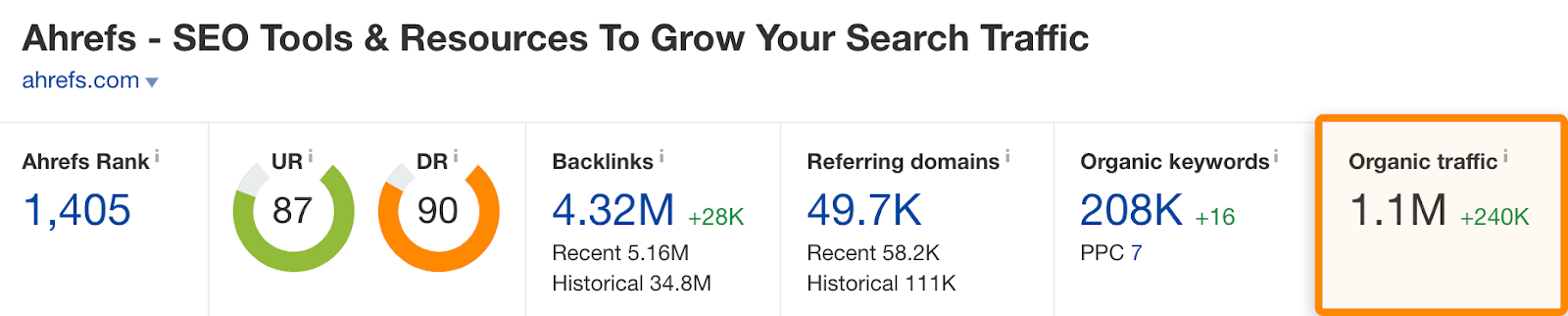
To learn more, hit the “Organic search” tab.
Here, you will see an interactive graph showing that site’s organic traffic over time:
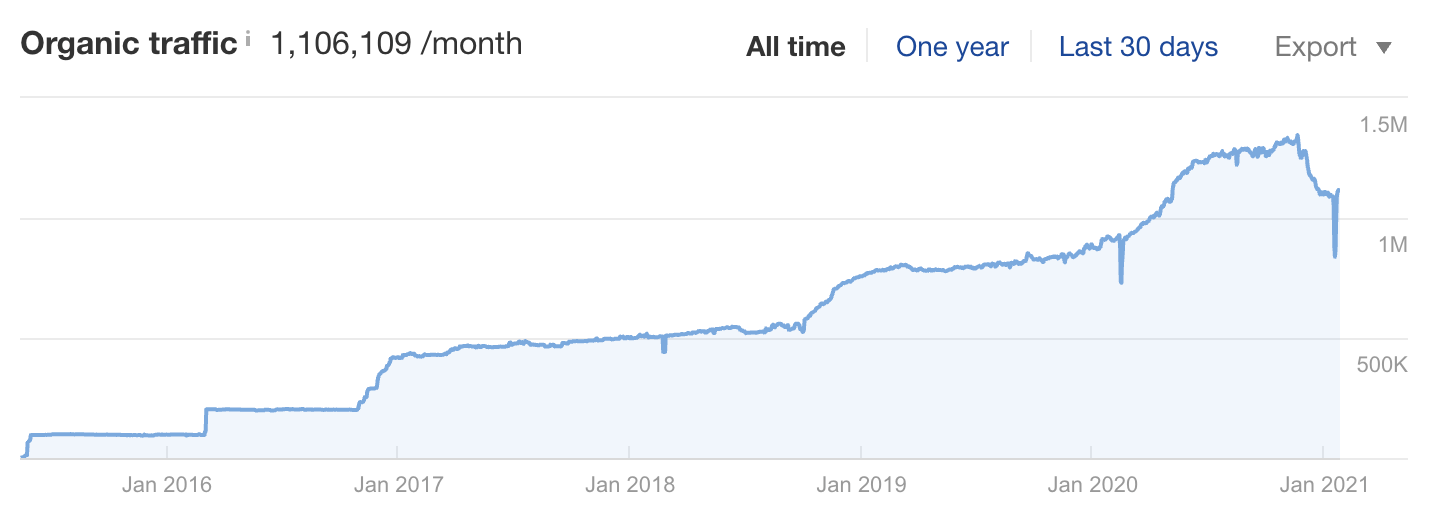
The graph above shows organic traffic to ahrefs.com, which has grown more than tenfold over the past few years thanks to our ongoing SEO efforts.
Below this, there’s a graph showing the number of keywords the website ranks for in organic search, broken down by ranking position.
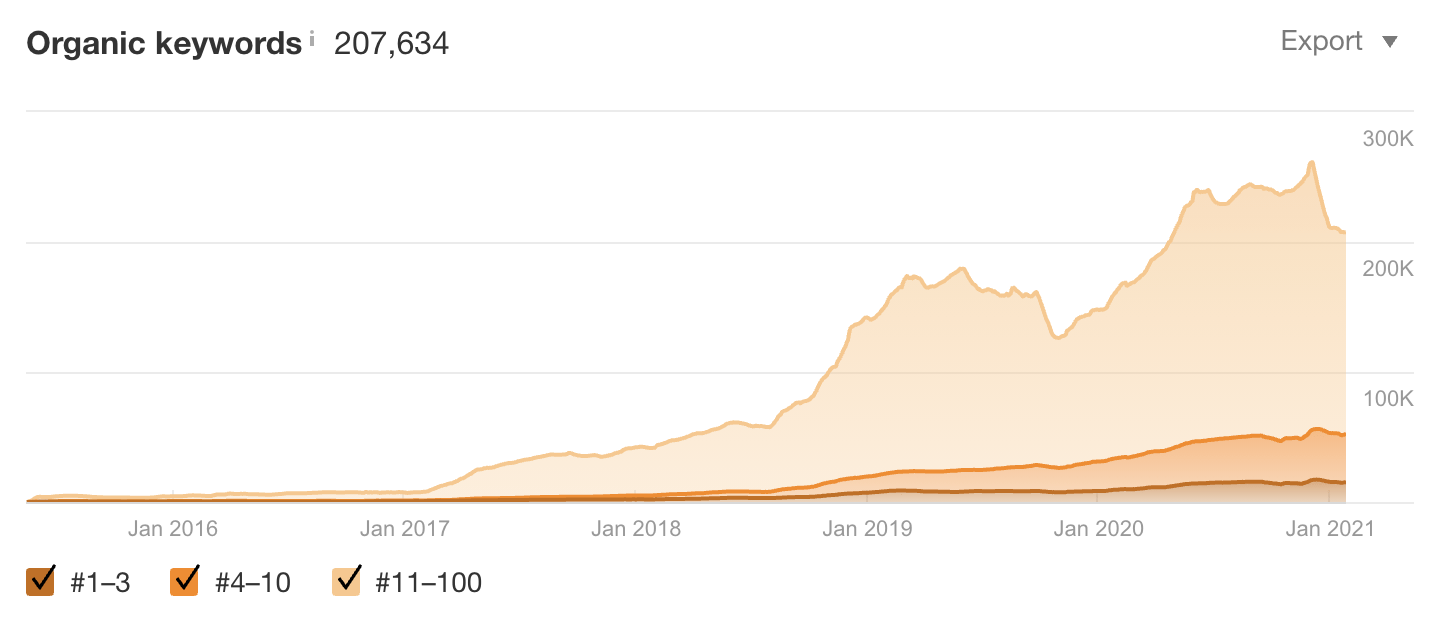
To the right of these graphs, we show keyword rankings and organic traffic metrics broken down by country.
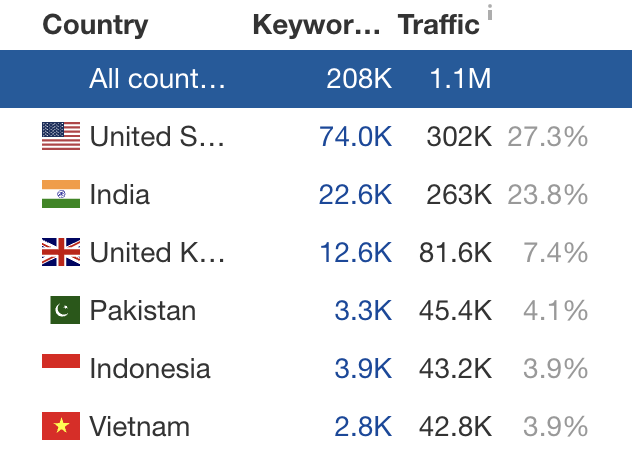
You can see that ahrefs.com gets the majority of its search traffic from the US, India, and the UK.
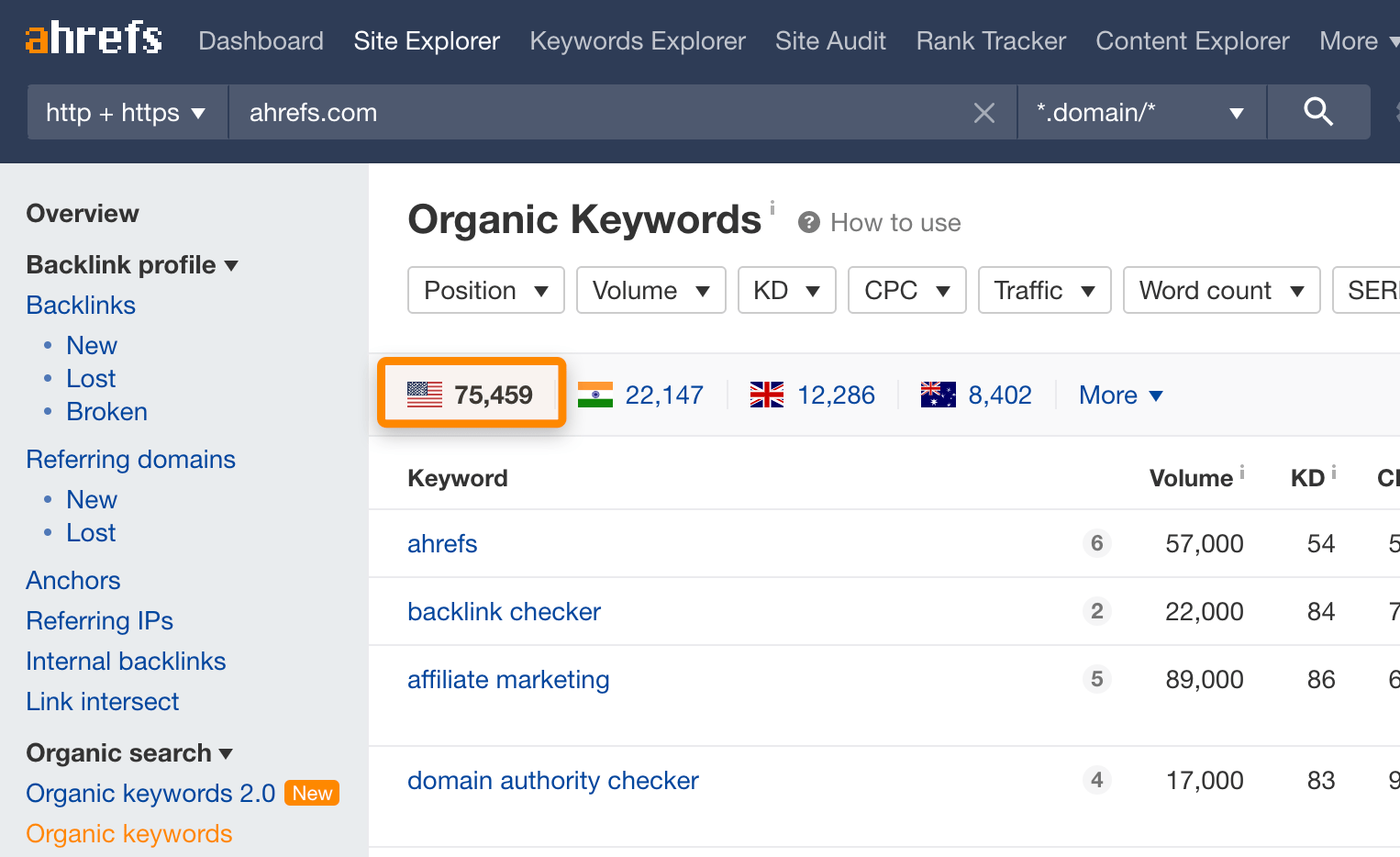
If you want to see all the keywords that a website ranks for, hit the “Organic keywords” report on the left-hand menu.
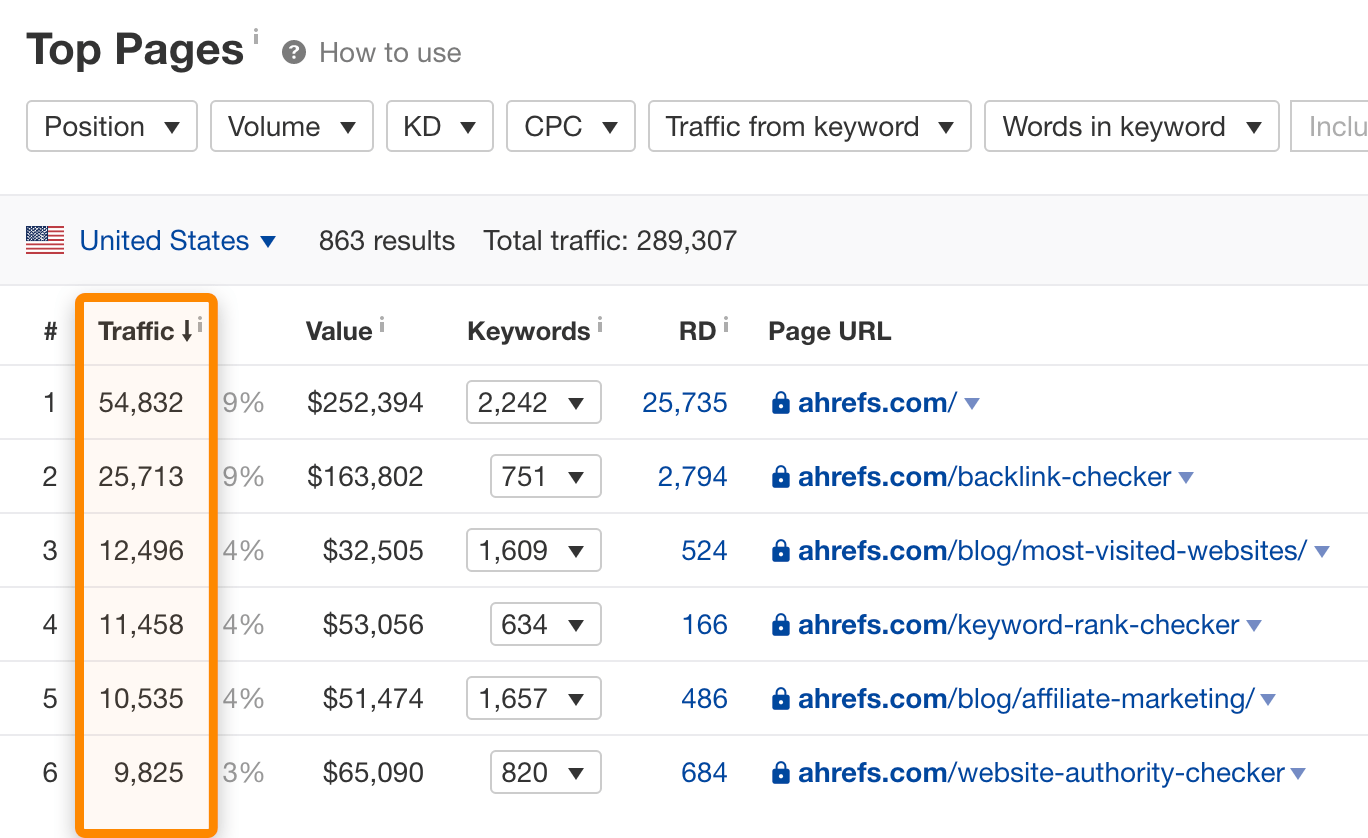
You can also check the “Top pages” report to see which pages on the domain get the most traffic.
Final thoughts
It’s important to remember that all of the above websites are the most visited in terms of organic search traffic only. None of those figures take into account direct, referral, or any other traffic sources.
We also removed any NSFW websites from the list for obvious reasons.
If you’re curious about the full, unedited list, you can see it in Keywords Explorer.