Hypnosis and Hypnotherapy: The Role of Traditional Versus Alternative Approach
Submitted: October 25th, 2019Reviewed: February 7th, 2020Published: March 12th, 2020
DOI: 10.5772/intechopen.91619

FROM THE EDITED VOLUME
Hypnotherapy and Hypnosis
Edited by Cengiz Mordeniz
CHAPTER METRICS OVERVIEW
981 Chapter Downloads
Abstract
Hypnosis is a state of mind that is characterized by focused attention and heightened receptivity for suggestions. It is either established by compliance with instructions or achieved naturally; the critical nature of the mind is bypassed during hypnosis and acceptable suggestions are delivered. Misperceptions about hypnosis by clinical practitioners and their clients have been shaped through years of inaccurate but interesting portrayals of hypnosis in books, plays, and movies. Part of the misperceptions is that individuals with seemingly magical powers to manipulate the unsuspecting innocent with their authoritative voice commands and penetrating eyes are depicted as hypnotists. This chapter will review the traditional and conventional approaches used in hypnosis, their advantages and disadvantages as well as where hypnosis is used as a complementary or alternative therapy to the modern day orthodox medicine. Despite the pejorative image display of hypnosis and misconceptions surrounding it, hypnosis still has numerous applications in contemporary medicine. Hypnotherapy conducted by a trained therapist is considered as a complementary or safe alternative to present day orthodox medication for numerous ailments.
Keywords
- hypnosis
- hypnotherapy
- traditional
- conventional approaches
Author Information
1. Introduction
The origin of “hypnosis” is from the Greek word “hypnos,” which means “sleep” [1]. Hypnosis is a state of mind that is characterized by focused attention and heightened receptivity for suggestions. It is either established by compliance with instructions or achieved naturally; the critical nature of the mind is bypassed during hypnosis and acceptable suggestions are delivered [2]. It is a trance mental state that is later followed by giving suggestion. During hypnosis, suggestions are used to cure a lot of psychological health problems, such as stress, addiction, and phobia. It can as well assist in managing physical problems like pain reduction, such as the pain caused by chemotherapy in cancer patients [3].
In a trance, the normal state of the mind occurs regularly as when watching an engrossing movie, reading an absorbing book, or performing monotonous activity; thus hypnosis is also described as an “attentive, receptive focal concentration” [4]. It is commonly assumed that during hypnosis, the subconscious mind is in a suggestible state while the conscious mind is distracted or guided to become dormant [5].
Misperceptions about hypnosis by clinical practitioners and their clients have been shaped through years of inaccurate but interesting portrayals of hypnosis in books, plays, and movies. Part of the misperceptions is that individuals with seemingly magical powers to manipulate the unsuspecting innocent with their authoritative voice commands and penetrating eyes are depicted as hypnotists. For these reasons, witch doctors, evil scientists, space aliens, and vampires have all been portrayed as using hypnosis to achieve their dubious ends [6]. Hypnosis is introduced to others as a form of entertainment on television talk shows or at comedy clubs. Volunteers from the audience act out of fantasies to make the audience laugh from the hypnotist’s simple commands for sleep and snaps of the fingers. The individuals hypnotized appear to apparently behave in ways that are contrary to normal behavior or out of character. However, some clinical practitioners themselves have contributed to further exacerbate this denigrative image of hypnosis [6]. This chapter will review the traditional and conventional approaches used in hypnosis, their advantages and disadvantages as well as where hypnosis is used as a complementary or alternative therapy to the modern day orthodox medicine.
1.1 Heart-rate variability as a measure of hypnotic depth
Ensuring sufficient depth to induce genuine hypnotic responsiveness is one of the major challenges in hypnotic research [7]. Hypnotic susceptibility, a stationary characteristic of a subject, is distinct from hypnotic depth, which is a dynamic property that represents the subject’s momentary capacity for response to hypnotic suggestions [8].
Electro-encephalogram (EEG) is a candidate for monitoring neural activity. Higher power over the alpha, beta, and theta parietal region associated with sustained-attentional processing and greater EEG asymmetry was seen in the highly hypnotizable subjects [9].
In an investigation, heart rate, frequency of changes from a time-frequency analysis of heart-rate variability (HRV), and amplitude were compared with the continuous self-rated hypnotic depth (SRHD) of 10 volunteers. The investigation recorded significant linear relationships between the high-frequency (HF) component of the heart-rate variability (HRV) and the continuous self-rated hypnotic depth (SRHD), the continuous self-rated hypnotic depth (SRHD) correlated positively with the amplitude of the HF component and negatively with the frequency of the HF [10].
1.1.1 A brief insight into the similarities and differences between hypnosis and meditation
Generally, quieting of the mind is achieved during meditation, which may be compared with hypnosis. Meditation may qualify as hypnosis depending on the state achieved, especially if suggestions are given to achieve a desired effect. Although meditation may be self-directed, hypnosis can however occur naturally without formal induction [6].
1.1.2 Similarities between concentrative meditation and hypnosis
The concentration and attentional practices employed that result in an altered state are similar for both classical hypnosis and concentration meditation; the neurophysiology associated with those states and the phenomenology of those altered states are also similar [11].
Focusing attention by attempts to relax and concentrate the mind is the beginning of both meditation and hypnosis. The breath is the main focus of most meditators nowadays. Staring at a spot, watching pendulum swinging, etc., are ways of focusing and sustaining in hypnosis [7]. Hypnosis literature describes the method used to reach the state as suppressing competing thoughts, or as dis-attending to competing stimuli [12]. Ayya Khema described it in meditation literature as letting go of thoughts and perceptions [13].
Many types of meditation such as the Buddhist, Hindu, Christian, and Jewish emphasize on letting go of thoughts and concentration like the attentional focus procedures in hypnosis. In meditation, especially the Buddhist type, mindfulness practices are usually employed. Concentrative practice lets go of thoughts, focuses attention and shifts it to a subtler experience. Participants are trained in mindfulness meditation to describe mental states and activities in great detail and to observe the rapidly shifting thoughts, emotions, panorama of sensations, etc. [14, 15]. Concentration and mindfulness are both cultivated and work synergistically. Concentration is language associated ancient Buddhist that leads to altered states of consciousness and aims at serenity, one of which at least resembles deep sleep. Cognitive, emotional, and motivational changes as they increase in depth demonstrate an altered state called absorption [16]. Mindfulness aims at altered states of consciousness and provides an insight through observation of one’s own mental processes. In behavioral medicine and pain management programs, Vipassana meditation has been used to teach patients how to become less reactive by objectifying their sensations [17]. Despite the fact that altered states are usually first identified by subjective experiences, relatively, the observation of one’s own mental processes has been neglected in hypnosis research [11].
1.1.3 The altered states
Qualitative changes can be specified by absorption that is reached through concentration. The movement to absence of thought with prevailing calmness from the normal everyday mind with prevailing thoughts occurs in the four stages of absorption. The meditator’s attention basically focuses first on an object and then on subtle experience increasingly, the phenomenal fields are then abandoned more and more. The movement of the meditator to a more peaceful happy feeling and then to composure from a stage of attendant physical experience with aroused positive emotion is achieved. In the fourth stage of absorption, a characteristic peaceful feeling of calmness is achieved with a very much aware mind like what one obtains in deep hypnosis [11].
Trained meditators usually can recognize these states of absorption and be able to report on the absence or presence of mental qualities such as feeling of joy or rupture, associative thinking, feeling of calmness, etc. Mindfulness is facilitated as the mind becomes quiet in concentrative meditation; however, mindfulness is not the principal goal of concentrative meditation. The meditator can report back on the qualities of the trance state observed [18].
There are at least two methods for assessing qualities of inner experience viz.: The Experience Analysis Technique [11, 19] and the Phenomenology of Consciousness Inventory or PCI [19, 20]; however, these methods have been underutilized [11].
1.1.4 Hypnosis and meditation phenomenology
Sustaining and focusing attention in both meditation and hypnosis lead to similar changes in mental state [21]. In a study involving two groups, Indian Kundalini meditators in one group and highly hypnotizables in the other. Directly, the two studies cannot be compared as they analyzed the data differently; however, both deep self-hypnosis and meditation were associated with alterations in self-awareness, state of awareness, perception, time sense and meaning with changes in imagery, rationality, and vividness due to elevation on Phenomenology of Consciousness Inventory (PCI), and both processes were accompanied with feelings of love and joy [11].
Comparing the PCI results for medium and deep absorptions (levels 1–2 vs. 3–4) described in Buddhist texts [22] with medium and deep levels of hypnosis [17] are other ways of similarities elaborations. Whether it is hypnosis or meditation, experience tends to be more vivid at medium levels and more aplomb at deep levels [11].
1.1.5 Differences between hypnosis and concentrative meditation
The difference between meditation and hypnosis has to do largely with expectancies and goals, and their relative emphasis on mindfulness (meditation) or suggestion (hypnosis) as well [11].
1.1.6 Practices and goals
Specific outcomes such as symptom removal are the basic interest for people seeking hypnosis, whereas, meditators’ interest has to do with long-term goals having to do with insight, serenity, and enlightenment or spiritual liberation. Meditation is a solo experience, while hypnosis usually calls for two people except in self-hypnosis. Meditators spend years expectedly in developing their skill, it is however amazing to some patients if the hypnotist tells them that it will require more than one hypnosis session for their cure. Meditation involves daily practice for 20 minutes to an hour, then proceeding for a retreat where 10–15 hours of daily practice for several weeks or months is observed [11].
1.1.7 Expectancy
Meditators expect to see reality without bias through their “pure bright awareness” rather than suggestibility. People using hypnosis expect suggestibility, believing that the hypnotist will be able to change their perception and motivation profoundly by giving suggestion after entering an altered state; that is, they will not want a cigarette or feel pain [11].
1.2 The difference between hypnosis and hypnotherapy
Although hypnosis and hypnotherapy are words that are used rather interchangeably, the two words are not the same. Hypnosis is more a state of mind while hypnotherapy is the name of the therapeutic version in which hypnosis is used [23].
2. Traditional versus modern hypnosis
There are various types of hypnosis; however, the two distinct forms of hypnotherapy taught are the traditional, often referred to as, script-based approach, and the modern Ericksonian approach. They are sometimes better known as the direct or authoritative hypnosis and indirect or permissive hypnosis, respectively. The modern approaches are considered to be the conventional ways of inducing or achieving hypnosis.
In our society today, three main types of hypnosis are used to hypnotize another person or hypnotize one’s self. These three types of hypnosis are traditional hypnosis, Ericksonian hypnosis, and self-hypnosis. Each type of hypnosis varies from one another in terms of practice and use. The three types of hypnosis have a common denominator; that is, they all begin with some form of hypnotic induction like fixed eye or counting backward to induce a hypnotic state [24].
2.1 Traditional hypnosis
Is the most widely used basic form of hypnosis due to the belief that anyone can do it with very little instruction and training. Traditional hypnosis is believed to be the easiest form of hypnosis, it relies on simple suggestions and commands. Traditional hypnosis uses direct commands and suggestions to influence a person’s feelings, thoughts, behaviors, and actions once the subject is in a hypnotic state. Traditional hypnosis will only work on people who are easy to follow orders, the hypnotist will need to know whether the patient is critical or not before the hypnotic session begins [3]. Often, it is not considered entirely effective for people that have analytical and critical thought processes. Commands and suggestions are usually interfered by the conscious mind; the critique nature of the conscious mind does not allow messages to be fully absorbed by the subconscious [3]. Traditional hypnosis is also the basis for stage hypnotism, which is popular in today’s culture among partygoers and comedy club attendees [3].
Despite being largely unchanged as a directive approach since the 1930s, traditional hypnosis is still the dominant approach taught in countries like Australia [3].
The hypnotist will ask you to close your eyes, relax and forget everything in your mind in a traditional hypnotic approach. Once you enter a trance mode, he will give you hypnotic suggestion. For instance, if the patient wants to stop smoking, in the therapy session the hypnotist might ask the subject to visualize the harms of smoking, how awful it smells and hurts the nose and eyes. The therapist will give the subject suggestions that when not smoking you will be alright. Any time the subject remembers to smoke, he will remember the awful smell from a cigarette. This will help the subject to stop smoking and this is how traditional hypnosis works [3]. According to some studies, the success rate of this form of hypnosis rarely exceeds 30%; although the client may feel better, there may be higher relapse rate and the client may not always do better the next time something similar happens [3].
In a situation when the traditional method does not work for the subject, the hypnotist might need to use another method like conversational hypnosis, etc. [3].
Unlike the traditional approach, conversational hypnosis is a type of hypnosis done to a subject or patient with the use of words and persuasion. It can also be used to treat stress, addiction, and phobia like in traditional hypnosis [3].
2.2 Modern hypnosis
The modern approach to hypnosis was developed by a renowned American psychiatrist and psychologist named Dr. Milton Erikson, thus named Eriksonian hypnosis. This method is built around understanding the client’s unique situation and needs. The modern hypnosis approach will assist clients to build better cognitive skills and change the way they perceive a situation in and around challenging circumstances. Interventions are tailored toward the individuals’ need, and this approach achieves a much higher success rate. Modern hypnosis particularly is an excellent approach for those who are skeptical of hypnosis as it uses metaphors rather than just direct suggestions [24]. Metaphors allow the brain to think creatively and arrive at conclusions that may not be reached by employing the more unilateral form of traditional hypnosis. Rather than simple commands and suggestions, metaphors work by comparing and contrasting two things in a more complex way [24]. The mind is allowed to wrap around an idea or thought in a more organic way than direct suggestion, skeptics are often able to be hypnotized using this approach than the traditional one. Modern Ericksonian hypnosis uses interspersal and isomorphic metaphors. Interspersal metaphors use embedded commands that distract the conscious mind, allowing the unconscious mind to process the message of the metaphors. Isomorphic metaphors tell a story that has a moral, which makes the unconscious mind draw a one-to-one comparison between the moral of the story and a problem or issue that it is already familiar with [24].
Neuro-linguistic programing (NLP) is a form of hypnosis used along with self-hypnosis to deal with issues such as self-esteem, self-confidence, and overall mental well-being. It is used also to conquer phobias and fears and to quell anxieties [24]. In NLP, the same thought process as a fear or problem is used to reverse or get rid of the problem; it is an effective method. Reframe, flash, and anchoring are the three different techniques used with NLP. NLP is most effective when the techniques are used all together or separately [24].
Self-hypnosis allows the mind when relaxed to reach a hypnotic state without a hypnotist or hypnotherapist. This form of hypnosis is performed by oneself to achieve a deep state of relaxation [8]. Suggestions and commands are made by oneself, or by an MP3 or a CD player that guides oneself in the hypnosis session. A lot of people who do not trust others with influential subconscious and fragile mind prefer self-hypnosis instead of the guided hypnosis [24].
2.3 Tools/techniques used in hypnosis induction
2.3.1 Hypnotic inductions
Hypnotic induction is the first process that a hypnotist uses to put the clients into a trance state where they are more open to suggestion. Some of the tools or techniques used in inducing hypnosis include the following:
2.3.2 Relaxation technique
One of the common techniques used by the therapist is relaxation, a relaxed client may fall into trance and his mind will be open to suggestion. Relaxed clients are more likely to talk to the therapist and be open to indirect suggestions. Some common methods of relaxation include: making the client comfortable, lying down, client’s head counting down, controlled breathing, relaxing and tensing muscles, and speaking in soft tone [25].
2.3.3 Handshake technique
In most societies, handshakes are the commonest form of greetings, and Milton Erickson—the farther of hypnotherapy—famously used the handshake technique as a way to induce hypnotic trance. By the handshake, the subconscious mind is shocked by disrupting the common social norm. The hypnotist interrupts the pattern established by our mind by grabbing the wrist or pulling the subject forward and off balance, in an abnormal way of handshake. Suddenly, with the interrupted pattern, the subconscious mind is open for suggestions [25].
2.3.4 Arm levitation technique
Arm levitation technique is a classical Ericksonian technique of inducing hypnosis; this method begins with the clients closing their eyes and being asked to notice the difference between their arms. For instance, they might say the arm feels cold or hot, light or heavy. Suggestions are made by the hypnotist as to the sensations in each arm. In a trance mode, the clients may simply believe in their mind that they have lifted their arm or may physically lift their arm. In either way, successful induction is achieved [25].
2.3.5 Eyes cues
The right sphere of the brain manages creativity and consciousness while the left manages the practical and subconsciousness. During a conversation, the direction of the subject’s eyes indicates the sphere accessed, looking right indicates accessing the consciousness and left the subconsciousness. If the eyes are accessing the subconscious, you can make a suggestion that they are not consciously aware (Figure 1). The eyes may as well be fixated on one object in the room. Stephen Brooks developed a new technique of inducing hypnosis on the listener with eye movements [25].
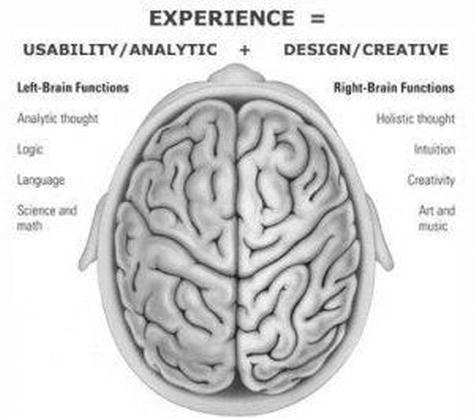
Figure 1.
Functions of the left and right brain spheres [25].
2.3.6 Visualization
Both trance and suggestions can be induced using the visualization technique. For instance, a subject can be asked to recall a room he is familiar with, to imaging every detail in the room such as the windows, the floor, the light, the wall, the painting etc. Afterward, the subject then moves into a room he is less familiar with. As the subject struggles to recall the exact details, his mind is open to suggestion. Visualization can be used to recall positive memories and positive images and experiences (wedding, birthday graduation) to change one’s perception of a negative image [25].
2.3.7 Falling backward/sudden shack
Shocked subjects can enter into a trance; a woman’s foot was once stepped by Erickson, which was followed by suggestion. The sensation of falling backward, “trust fall,” a milder version, shocks the system and opens the mind to suggestion; however, certainly the subject will not be dropped [25].
2.3.8 Eye fixation
Take for instance a situation when you find yourself “zoning out” and staring at an interesting item in the room while someone is talking. If you will completely miss what the person talking said, you may have been in a trance. One of the famous objects used in trance induction is “power pendulum” or a “swinging pocket watch” although any object can be used to achieve that. The object opens the subconscious mind to suggestion and keeps the conscious occupied [25].
2.3.9 Breathing countdown
In meditation, controlled breathing is used, it can as well act as an easy form of self-hypnosis.
The procedure is as follows:
-
Close your eyes and sit upright in a chair, arms on your lap.
-
Breathe deep through the nose and out through the mouth.
-
Using slow controlled breaths, countdown from 100.
-
Each exhale counts as one interval.
-
At the end you may be in a trance. If not continue the exercise counting down from a higher number [25].
2.3.10 Body scan
Body scan is a popular method employed in self-hypnosis. Scanning begins from top of the body with your eyes closed, scan down slowly from the head to the feet. Every sensation should be noticed, your breath expanding the ribcage, chair on your back, the feet on the ground, each finger extended and the pain in your elbow. This process should be repeated from the bottom to the top, the scanning up and down should be continued until you enter trance. Other hypnotic induction techniques such as countdown breathing and relaxation can be stacked with body scan to increase effectiveness [25].
2.4 Hypnotic suggestions
The desired behavior to be performed by the client is referred to as suggestion. After a hypnotized person enters trance (a state in which the subject is more open to influence), post-hypnotic suggestions are delivered. Suggestions are classified into direct and indirect based on schools of thought [25].
2.4.1 Direct suggestion
An explicit command to perform certain action is known as a direct suggestion in conversational hypnosis. It is a powerful tool though viewed as unethical because of the authority or power a hypnotist has over the client. With this method, the client does not control the decision to change behavior. Some classical direct suggestions include:
-
“You will stop smoking”
-
“You will go to sleep”
-
“You will lose weight” [25].
2.4.2 Indirect suggestion
Certified hypnotherapists use indirect suggestion as their favorite, Milton Erickson was a champion of indirect suggestion; in this method, the control is in the subject’s hands rather than those of the authoritarian, the patient’s boundaries and clinical ethics are respected. This method has proven to be more effective for subjects that are skeptical or resistant to trance. One could say: “When you are comfortable, you may wish to close your eyes” rather than “order” a subject to relax (direct suggestion) [25].
3. Advantages and disadvantages of traditional versus conventional approaches of achieving hypnosis and hypnotherapy
Traditional hypnosis is believed to be the simplest and easiest form of hypnotherapy that can be done even by oneself. As an advantage over conventional approach, traditional hypnosis is authoritative and can be a more powerful tool using direct suggestions [26]. As a disadvantage, this approach is commonly met with resistance [27]. The conventional or modern approach is a subtle, respectful method using indirect suggestions and has advantages of being accommodative, ethical, and more effective than the traditional method; the traditional approach is considered unethical by some schools of thought. Another disadvantage of the traditional approach is that some studies claim that this form of hypnosis rarely achieves more than a 30% success rate, and has a higher of rate relapse [3]. Although the clients may feel better, however, they may not always do better the next time something similar happens [3].
3.1 Hypnotic risks
Hypnosis has been shown to be associated with some risks according to the reviewed literature in the late 1980s. The literature documented a few cases of patients who displayed “unanticipated” adverse behavior after hypnosis [26]. Complications or adverse reactions usually encountered during hypnosis consisted of unexpected, unwanted thoughts, feelings, or behaviors during or after hypnosis that are inconsistent with agreed goals and interfere with the hypnotic process by impairing optimal mental function. Adverse reactions most commonly suspected included nausea, panic, dizziness, drowsiness, headache, stiffness, anxiety, and serious reactions such as masking of organic disorders and symptom substitution occasionally [26, 27]. Deficiencies in the hypnotist’s techniques such as not knowing that suggestions in hypnosis are accepted literally, taking the patient rapidly out of trance, inappropriately using age regression, not prescreening for certain psychopathology, or preconceived expectations of negative consequences of hypnosis not being dispelled before initiating the session were considered to be the root cause of the problems [26].
4. The use of hypnosis/hypnotherapy as complementary or alternative approach to the modern day orthodox medicine
In the late 1700s when effective pharmaceutical and surgical treatment options were limited, hypnosis became a popular approach for the treatment of medical conditions [6]. As alternative treatments for medical conditions become popular, contemporary medicine is being challenged to take a more integrative approach. Hypnosis is used for conditions such as anxiety, depression, phobias, and attention deficit disorders not believed to be primarily psychological although the potential for a psychological basis exists for many of the mentioned conditions [6].
Hypnosis has been used effectively in a variety of medical settings such as chronic pain management, labor, surgery, dentistry, etc. Several studies reported its efficacy in the treatment of anxiety disorders [28, 29, 30, 31].
For a variety of problems, hypnosis has been used as an adjunct to cognitive behavior therapy. Cognitive behavior therapy combined with hypnosis has been employed in the treatment of anxiety disorders, pain, depression, smoking cessation, obesity, and hypertension [6, 32].
The American Medical Association in 1958 and the American Psychological Association in 1960 approved the use of hypnosis as an adjunct treatment; in a variety of psychological and physical conditions, its efficacy has been established [33]. Mostly, contemporary applications of clinical hypnosis could be in four major areas viz.: behavioral, pshychological, medical, and self-development. The contemporary medical applications of hypnosis include medicine, surgery, and dentistry, the uses of which affect the somatic and behavioral aspects of the illness [34].
Although the traditional hypnotic approach is used for treating anxiety, depression, phobias, and attention deficit disorders, numerously, the modern or conventional approaches are employed in clinical hypnosis as either adjunct, complementary, or alternative therapy in present day orthodox medicine.
4.1 Behavioral and psychological applications of hypnosis
4.1.1 The potentials of hypnosis in the treatment of depressive disorders
Employment of more therapeutic techniques and procedures in the treatment of depression as in the treatment of any other psychological disorder make better chances of successful outcomes [35]. Hypnosis employed in many ways in a goal-directed fashion as a highly efficient and flexible tool makes it suitable to be incorporated into the treatment of depression. It may be used to reduce anxiety, increase responsiveness, interrupt negative ruminations, and establish positive expectancy [35]. In rigid and distorted patterns of thinking or interpreting events, hypnosis may be used more intensely to facilitate flexibility [35]. Alladin and Alibhai’s [36] study of 2007 represents the first comparison of a treatment using hypnosis as an adjunct to a well-established psychological therapy for depression (Beck’s Cognitive Behavioral Therapy for Depression) [36].
4.1.2 Treatment of anxiety disorders using hypnosis
The 1996 report by the National Institute of Health Technology Assessment Panel considered an effective and viable solution for the treatment of pain associated with cancer and many other chronic pain conditions [37]. Hypnotherapy has also been reported effective for anxiolysis in acute pain, analgesia, and emesis [38]. Brugnoli et al. [39] also reported the effectives of hypnosis for anxiety management as an adjunct therapy for patients receiving palliative care in chronic diseases conditions.
4.1.3 Cessation of smoking
Hypnosis has been used as an adjunct cognitive behavior therapy for smoking cessation. Combined hypnotic and cognitive behavior therapy treatment for smoking cessation was found to be superior to a wait-list control condition as [40]. In 1988, these results were replicated in a study comparing larger sample sizes with the same conditions [41].
4.1.4 Use of hypnosis in mental health nursing
The Ericksonian hypnosis supports nursing goals of honoring and respecting patient individuality, and, therefore, has been advocated for use in mental health nursing by Zahourek [42].
4.2 Medical applications of hypnosis
4.2.1 Management of allergy
As suggested by some early literature, many allergies have an emotional basis, thus could be treated using a hypnotic approach [43]. However, studies have shown that hypnosis may alter body’s physiological response to various stimuli [44]. The positive effects of social support on natural killer cell activity and cortisol levels have been shown by some researchers, this has implications for cancer progression [45].
4.2.2 Treatment of impotence
A strong potential of hypnosis for managing impotence has been documented in the medical literature since 1960s [39], and this claim has been supported by recent clinical trials, 88% success rate was reported using hypnosis for impotence in almost 3000 patients [46]. Using hypnosis and acupuncture, 75% success rate was recorded in treating impotence [47].
4.2.3 Emesis
Many a times, chemotherapy is associated with adverse effects of nausea and vomiting, these unwanted side effects among others are reduced by hypnotherapy. The need for antiemetic drugs was reduced significantly by using hypnosis to manage chemotherapeutic adverse effects in children with anticipatory nausea and vomiting [48].
4.2.4 Management of gastrointestinal disorders
One of the commonest disorders found in the practice of gastroenterology is irritable bowel syndrome (IBS), the etiology of which is complex, emotional stress, anger, and depression negatively affect IBS, thereby worsening the symptoms of the disorder. The intervention that has empirically demonstrated to be more efficacious in treating IBS is the use of hypnosis as an adjunct to cognitive behavior therapy. An important impact of hypnotic treatment lasting for several years in most patients has been shown in most patients suffering from irritable bowel syndrome [32].
4.2.5 Obstetrics
Experience of patients treated with hypnosis at birth was satisfactory [49], hypnosis has also been used to facilitate delivery in obstetrics [50], and shorter labor [51], and requires the use of significantly less analgesic medications [32].
4.2.6 Pulmonary medicine
Hypnosis has been shown to improve pulmonary functioning in asthmatic patients with high and medium hypnotizability [52, 53]. Brown [54] reported the efficacy of hypnosis for managing emotional states exacerbating airways obstruction.
4.2.7 Application of hypnosis in clinical pain management
Demonstratively, analogue pain has been reduced by hypnosis, preliminary information concerning possible physiological mechanisms of hypnotic analgesia has been offered by studies showing central nervous system activity during hypnotic procedures [55]. In another study, the effectiveness of hypnosis on pain reduction has been demonstrated, which contributed to the theoretical understanding of hypnotic analgesia [55]. These findings were taken to a new level of sophistication by some neurophysiological studies [56]. As an adjunct therapy, clinical hypnosis was considered effective for pain reduction in cancer patients as well as severe chronic diseases for patients receiving palliative care [38]. In the management of chronic pain or cancer procedure-related pain in children, hypnosis is considered as an effective technique [56]. Pain reduction was reported in patients having metastatic breast carcinoma by hypnotic approach [57].
4.2.8 Efficacy of hypnosis in the treatment of headache and migraine
Hypnosis fulfills the research criteria in clinical psychology for it to be considered a well-established efficacious treatment for headache and migraine [58, 59]. No risks of adverse reactions or side effects are produced by hypnosis; this decreases the cost of medication associated to conventional medical treatments [59].
4.2.9 Use of hypnosis and acupuncture for pain relief
There exists an inherent relationship between acupuncture as a form of traditional Chinese medicine and hypnotic rituals of awareness under conscious hypnosis. Besides its various competent applications in different fields, it is used in surgical operations as the sole anesthetic for pain relief, and also for patient care during pre-, post-, and intra-operative periods [60].
4.2.10 Hypnoanalgesia
Benefits of pain relief by hypnosis have been documented in numerous studies. Pin prick and laser heat pain stimulation studies, followed by direct suggestions in hypnosis, resulted in decreased pain measured by means of pain-related brain potentials both subjectively and objectively [61]. Hypnoanalgesia was reported for repair of atrial septal defects in three patients and for mitral commissurotomy in four patients, using hypnosis as the sole method of anesthesia for one of the patients [62].
4.2.11 Identification of human sexuality
In practice, therapists are often confronted with patients seeking therapy for challenges they face owing to their deep-rooted economic, ethical, family, political, religious, and social backgrounds. Therapists find old and newer hypnotic techniques handy in managing the patients’ gender ambivalence, identity, sexual orientation, preferences, and functioning difficulties [63, 64, 65, 66].
4.3 Application of hypnosis in performance enhancement
4.3.1 Performance enhancement
Sport hypnosis helps enhance performance and well-being of an athlete or a user. This form of hypnosis is based on three combined techniques of mental training procedures: self-hypnosis, eyes-open hypnosis, and traditional eye-closed hypnosis. It is a form of alert hypnosis. Post-hypnotic signals or triggers and rhythmic athletic activities can induce sport hypnotic state (SHS) [63]. An alternative state of consciousness is achieved; performance in sport hypnotic state happens in a flow sate, which increases results despite decreased effort, known otherwise as “relaxed effectiveness.” Olympic Games champions’ reports show that peak performance is achieved through sport hypnotic state training. In the quest for excellent performance, sport hypnosis techniques can also be applied [67].
5. Conclusion
Despite the pejorative image display of hypnosis and misconceptions surrounding it, hypnosis still has numerous applications in contemporary medicine. Hypnotherapy conducted by a trained therapist is considered as a complementary or safe alternative to present day orthodox medication for numerous ailments.
INVEST IN YOUR HEALTH
Ads By 
 Here's Why You Need More Fruits And VegetablesBalance Of Nature
 Take Control of Your Hair Loss. Grow Fuller, Thicker HairHairMax
 Treat Your Acne With Kindness Backed By ScienceTreaty
 Contacts Without The Hassle. Get 10% Off Your First OrderVisionPros
 Stay Active While Working from HomeMayoClinic
 Effectively Treat Severe Pain From Kidney StonesBiogetica
References
- 1.Geers M. Hypnotherapy- volume I COURSE 100. International medical and dental hypnotherapy association (IMDHA) and International Association of Counselors and Therapists (IACT). 2016. Available from: www.hypnosisalliance.com
- 2.Fromm E. Significant developments in clinical hypnosis during the past 25 years. The International Journal of Clinical and Experimental Hypnosis. 1987;35:215-230
- 3.Sani I. What Is Traditional Hypnosis? 2011. Available from: https://EzineArticles.com/expert/Ian_Sani/130890
- 4.Spiegel H, Greenleaf M, Spiegel D. Hypnosis. In: Sadock BJ, Sadock VA, editors. Kaplan & Sadock’s Comprehensive Textbook of Psychiatry. 7th ed. Vol. 2. Philadelphia, Pa: Lippincott Williams & Wilkins; 2000. p. 21382146
- 5.Stewart JH. Hypnosis in contemporary medicine. Mayo Clinic Proceedings. 2005;80(4):511-524
- 6.Chapman RA. Introduction to cognitive behavior therapy and hyonosis. In: Chapman RA, editor. The Clinical Use of Hypnosis in Cognitive Behavior Therapy: A Practitioner’s Casebook. New York, NY: Springer Publishing Company; 2006. p. 3
- 7.Barabasz A, Christensen C. Age regression: Tailored versus scripted inductions. American Journal of Clinical Hypnosis. 2006;48:251-261
- 8.Shor RE, Orne EC. Norms on the Harvard group scale of hypnotic susceptibility, form A. The International Journal of Clinical and Experimental Hypnosis. 1963;11:39-47
- 9.Crawford HJ, Clarke SW, Kitner-Triolo M. Self-generated happy and sad emotions in low and highly hypnotizable persons during waking and hypnosis: Laterality and regional EEG activity differences. International Journal of Psychophysiology. 1996;24:239-266
- 10.Diamond SG, Davis OC, Howe RD. Heart-rate variability as a quantitative measure of hypnotic depth. Intl. Journal of Clinical and Experimental Hypnosis. 2008;56(1):1-18. DOI: 10.1080/00207140701672961
- 11.Holroyd J. The science of meditation and the state of hypnosis. American Journal of Clinical Hypnosis. 2003;46:2. Available from: www.asch.net/portals/0/journallibrary/articles/ajch-46/holroyd.pdf
- 12.Crawford HJ. Brain dynamics and hypnosis: Attentional and disattentional processes. International Journal of Clinical and Experimental Hypnosis. 1994;42:204-232. DOI: 10.1080/00207149408409352
- 13.Khema A. Who is Myself? A guide to Buddhist Meditation. Boston: Wisdom publications; 1997. [based on Sutta 9, the states of consciousness Sutta, in M. Walshe, trans. (1987). The long discourses of the Buddha. Boston: Wisdom.]. Available from: https://www.amazon.com/Who-My-Self-Buddhist-Meditation/dp/0861711270
- 14.Shear J, Jevning R. Pure consciousness: Scientific exploration of meditation techniques. Journal of Consciousness Studies. 1999;6(2-3):189-209. Available from: https://psycnet.apa.org/record/1999-10821-009
- 15.Wallace BA. The Buddhist tradition of samatha: Methods for refining and examining consciousness. Journal of Consciousness Studies. 1999;6:175-187. Available from: https://philpapers.org/rec/WALTBT
- 16.Bucknell RS. Reinterpreting the jhanas. Journal of the International Association of Buddhist Studies. 1993;16(2):375-409. Available from: https://journals.ub.uni-heidelberg.de/index.php/jiabs/article/.../8818/2725
- 17.Kabat-Zinn J. An outpatient program in behavioral medicine for chronic pain patients based on the practice of mindfulness meditation: Theoretical considerations and preliminary results. General Hospital Psychiatry. 1982;4:33-47. DOI: 10.1016/0163-8343(82)90026-3
- 18.Brown DP. A model for the levels of concentrative meditation. International Journal of Clinical and Experimental Hypnosis. 1977;25(4):236-273. DOI: 10.1080/00207147708415984
- 19.Pekala RJ, Kuma VK, Ronald Maurer MA. The Phenomenology of Consciousness Inventory – Hypnotic Assessment Procedure (PCI-HAP): Administrator’s Manual. [PCI-HAP. Administrator’s Manual. 100509.doc]. 2009. pp. 1-28
- 20.Cardena EA. The phenomenology of quiescent and physically active deep hypnosis. The International Journal of Clinical and Experimental Hypnosis. 2005;53(1):37-59. DOI: 10.1080/00207140490914234
- 21.Pekala RJ, Kumar VK. Operationalizing “trance” I: Rationale and research using a psychophenomenological approach. American Journal of Clinical Hypnosis. 2000;43:107-135. DOI: 10.1080/00029157.2000.10404265
- 22.Thanissaro B. Samadhanga Sutta: The factors of concentration (AN 5.28), translated from the Pali by Thanissaro Bhikkhu. Access on insight (BCBS edition). 2013. Available from: https://www.accesstoinsight.org/tipitaka/an/an05/an05.028.than.html
- 23.Zimberoff D. What Is the Difference Between Hypnosis and Hypnotherapy? How does hypnotherapy work? The wellness institute blog. Posted on Mar 22, 2018 11:15:00 AM; 2018
- 24.Moore J. Types of Hypnosis. 2011. Available from: https://www.selfdevelopment.net/hypnosis/hypnosishypnotism/types-of-hypnosis
- 25.Brooks S. Hypnotic Techniques A Comprehensive Guide. 2019. Available from: https://britishhypnosisresearch.com/hypnosis-techniques
- 26.MacHovec F. Hypnosis complications, risk factors, and prevention. The American Journal of Clinical Hypnosis. 1988;31:40-49
- 27.Lynn SJ, Martin DJ, Frauman DC. Does hypnosis pose special risks for negative effects? A master class commentary. The International Journal of Clinical and Experimental Hypnosis. 1996;44:719
- 28.Alladin A. Handbook of Cognitive Hypnotherapy for Depression: An Evidence-Based Approach. Philadelphia: Wolters Kluwer Health/Lippincott Williams & Wilkins; 2007
- 29.Brann L, Owens J, Williamson A. The Handbook of Contemporary Clinical Hypnosis: Theory and Practice. Chichester, West Sussex, UK: John Wiley & Sons; 2011
- 30.Lynn SJ, Kirsch.I, and Rhue J.W. An introduction to clinical hypnosis. In: Lynn SJ, Rhue JW, Kirsch I, editors. Handbook of Clinical Hypnosis. 2nd ed. Washington, DC, US: American Psychological Association; 2010. pp. 3-18
- 31.Nash MR, Barnier AJ. The Oxford Handbook of Hypnosis: Theory, Research, and Practice. New-York, NY, US: Oxford University Press; 2008
- 32.Mendoza ME, Capafons A. Efficacy of clinical hypnosis: A summary of its empirical evidence. Papeles del Psicólogo. 2009;30(2):98-116
- 33.Mottern R. Using hypnosis as adjunct care in mental health nursing. Journal of Psychosocial Nursing. 2010;48(10):41-44
- 34.Ginandes C. The strategic induction of hypnosis and CBT for the treatment of mind/body conditions. In: Chapman AT, editor. The Clinical Use of Hypnosis in Cognitive Behavior Therapy: A Practitioner’s Casebook. New York, NY: Springer Publishing Company; 2006. pp. 243-245
- 35.Al Rubaie T. The hypnotic treatment of depression. Alternative Health Practitioner. Fall. 1999;5(2):151-162
- 36.Alladin A, Alibhai A. Cognitive hypnotherapy for depression: An empirical investigation. International Journal of Clinical and Experimental Hypnosis. 2007;55:147-166
- 37.Lynn SJ, Kirsch I, Barabasz A, Cardena E, Patterson D. Hypnosis as an empirically supported clinical intervention: The state of the evidence and a look to the future. The International Journal of Clinical and Experimental Hypnosis. 2000;48(2):239-259
- 38.Néron S, Stephenson R. Effectiveness of hypnotherapy with Cancer Patients’ trajectory: Emesis, acute pain, and analgesia and Anxiolysis in procedures. The International Journal of Clinical and Experimental Hypnosis. 2007;55(3):336-354
- 39.Brugnoli MP, Pesce G, Pasin E, Basile MF, Tamburin S, Polati E. The role of clinical hypnosis and self-hypnosis to relief pain and anxiety in severe chronic diseases in palliative care: A 2-year longterm follow-up of treatment in a nonrandomized clinical trial. Annals of Palliative Medicine. 2018;7(1):17-31
- 40.Jeffrey TB, Jeffrey LK, Greuling JW, Gentry WR. Evaluation of a brief group treatment package including hypnotic induction for maintenance of smoking cessation: A brief communication. International Journal of Clinical and Experimental Hypnosis. 1985;33:95-98
- 41.Jeffrey TB, Jeffrey LK. Exclusion therapy in smoking cessation: A brief communication. International Journal of Clinical and Experimental Hypnosis. 1988;36:70-74
- 42.Zahourek RP. Utilizing Ericksonian hypnosis in psychiatric-mental health nursing. Perspectives in Psychiatric Care. 2002;38:15-22
- 43.Elman D. Hypnotherapy. Glendale, Calif: Westwood Publishing Company; 1964
- 44.Black S. Inhibition of immediate-type hypersensitivity response by direct suggestion under hypnosis. British Medical Journal. 1963;1:925-929
- 45.Spiegel D, Sephton SE. Psychoneuroimmune and endocrine pathways in cancer: Effects of stress and support. Seminars in Clinical Neuropsychiatry. 2001;6:252-265
- 46.Crasilneck HB. Hypnotic techniques for smoking control and psychogenic impotence. The American Journal of Clinical Hypnosis. 1990;32:147-153
- 47.Aydin S, Ercan M, Caskurlu T, et al. Acupuncture and hypnotic suggestions in the treatment of non-organic male sexual dysfunction. Scandinavian Journal of Urology and Nephrology. 1997;31:271-274
- 48.Zeltzer LK, Dolgin MJ, LeBaron S, LeBaron C. A randomized, controlled study of behavioral intervention for chemotherapy distress in children with cancer. Pediatrics. 1991;88:34-42
- 49.Pinnell CM, Covino NA. Empirical findings on the use of hypnosis in medicine: A critical review. International Journal of Clinical and Experimental Hypnosis. 2000;48:170-194
- 50.Freeman RM, MacCauley AJ, Ev L, Chamberlain GVP. Randomized trial of self-hypnosis for analgesia in labour. British Medical Journal. 1986;292:657-658
- 51.Jenkins MW, Pritchard MH. Hypnosis: Practical applications and theoretical considerations in normal labour. British Journal of Obstetrics and Gynaecology. 1993;100:221-226
- 52.Ewer TC, Stewart DE. Improvement in bronchial hyper-responsiveness in patients with moderate asthma after treatment with a hypnotic technique: A randomized controlled trial. British Medical Journal. 1986;293:1129-1132
- 53.Ben-Zvi Z, Spohn WA, Young SH, Kattan M. Hypnosis for exercise-induced asthma. The American Review of Respiratory Disease. 1982;125:392395
- 54.Brown D. Evidence-based hypnotherapy for asthma: A critical review. International Journal of Clinical and Experimental Hypnosis. 2007;55:22-249
- 55.Patterson DR, Jense MP. Hypnosis and clinical pain. Psychological Bulletin. 2003;129(4):495-521
- 56.Tomé-Pires C, Miró J. Hypnosis for the management of chronic and cancer procedure-related pain in children. International Journal of Clinical and Experimental Hypnosis. 2012;60(4):432-457
- 57.Spiegel D, Bloom JR. Group therapy and hypnosis reduce metastatic breast carcinoma pain. Psychosomatic Medicine. 1983;45:333339
- 58.Hammond DC. Review of the efficacy of clinical hypnosis with headaches and migraines. International Journal of Clinical and Experimental Hypnosis. 2007;55:207-219
- 59.Melis PM, Rooimans W, Spierings EL, Hoogduin CA. Treatment of chronic tension-type headache with hypnotherapy: A single-blind time controlled study. Headache. 1991;31:686-689
- 60.Öztürk AÖ, Öztürk G. The inherent relationship between Traditional Chinese Medicine (TCM) and Hypnotic Rituals of Awareness Under Conscious Hypnosis (AUCH©) method. Journal of Complementary Medicine and Alternative Healthcare. 2018;5(2):JCMAH.MS.ID.555660
- 61.Zachariae R, Bjerring P. The effect of hypnotically induced analgesia on flare reaction of the cutaneous histamine prick test. Archives of Dermatological Research. 1990;282:539-543
- 62.Marmer MJ. Hypnoanalgesia and hypnoanesthesia for cardiac surgery. Journal of the American Medical Association. 1959;171:512-517
- 63.Barkley R, Mosher E. Sexuality and hispanic culture: Counseling with children and their parents. Journal of Sex Education Therapy. 1995;21:255-267
- 64.Williams E, Ellison F. Culturally informed social work practice with American Indian clients: Guidelines for non-Indian social workers. Journal of the National Association of Social Workers. 1996;41:147-151
- 65.Zamora-Hernandez C, Patterson D. Homosexually active Latino men: Issues for social work practice. In: Longres J, editor. Men of Color. New York: Harrington Park Press; 1996
- 66.Daniel A. Hypnosis in human sexuality problems. American Journal of Clinical Hypnosis. 2005;47(4):229-242
- 67.Unestahl LE. Alert, eyes-open sport hypnosis. American Journal of Clinical Hypnosis. 2018;61:159-172. DOI: 10.1080/00029157.2018.1491387
Sections
- 1.Introduction
- 2.Traditional versus modern hypnosis
- 3.Advantages and disadvantages of traditional versus conventional approaches of achieving hypnosis and hypnotherapy
- 4.The use of hypnosis/hypnotherapy as complementary or alternative approach to the modern day orthodox medicine
- 5.Conclusion